

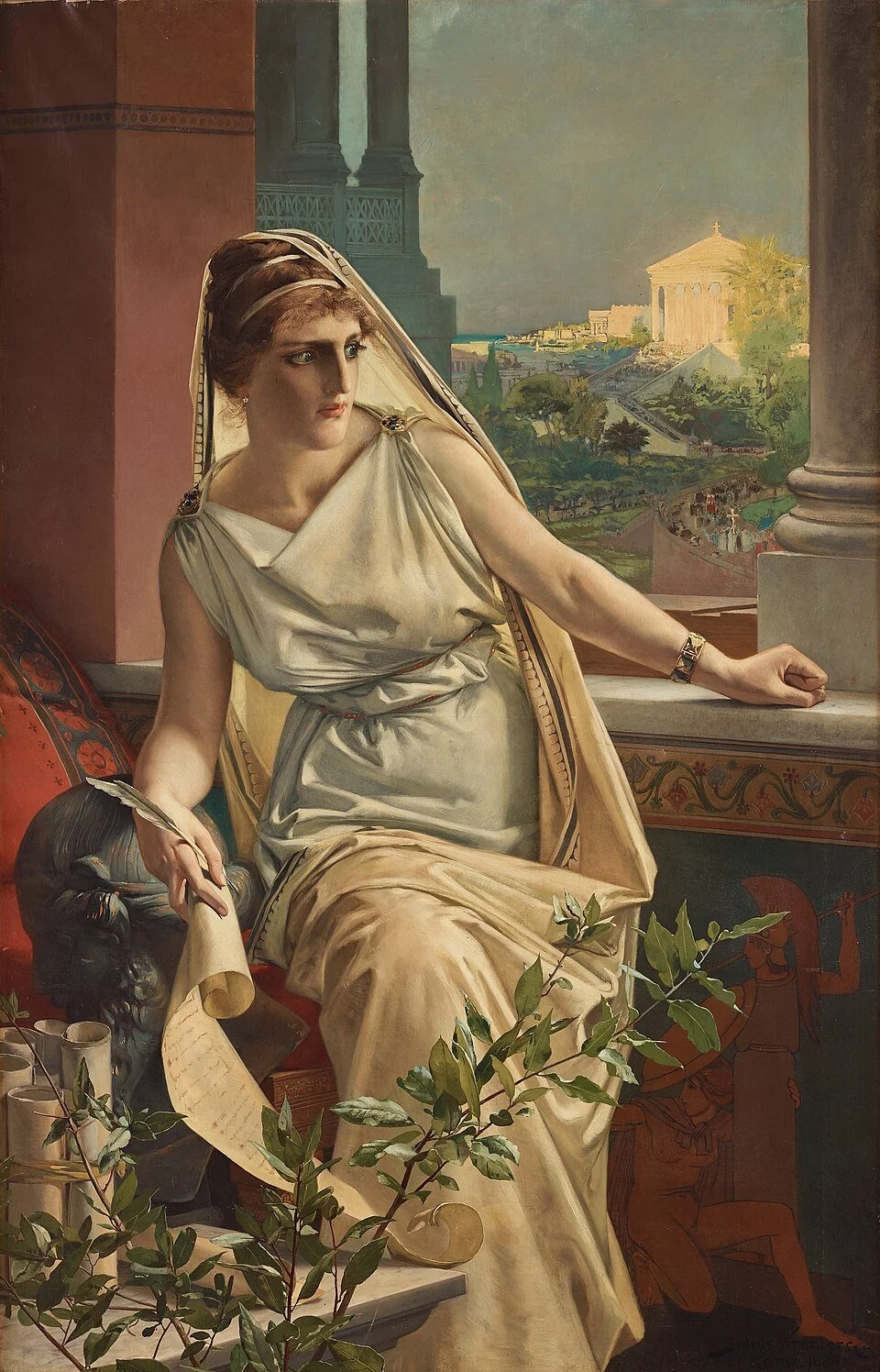
Hypatia
Hypatia of Alexandria was one of the most prominent philosophers and mathematical scholars of late antiquity. Celebrated as a teacher, respected by civic officials and remembered through the letters of her student Synesius, her life has often been overshadowed by the violent circumstances of her murder in 415 CE. This profile separates the historical philosopher from the later myths that transformed her into a martyr for science, the last guardian of the Library of Alexandria and a symbol of conflict between reason and religion.

Wangari Maathai
Wangari Maathai was a Kenyan scientist, environmentalist and democratic activist who founded the Green Belt Movement. By linking tree planting with women’s empowerment, human rights and political accountability, she helped transform environmental conservation into a movement for community power and peace.
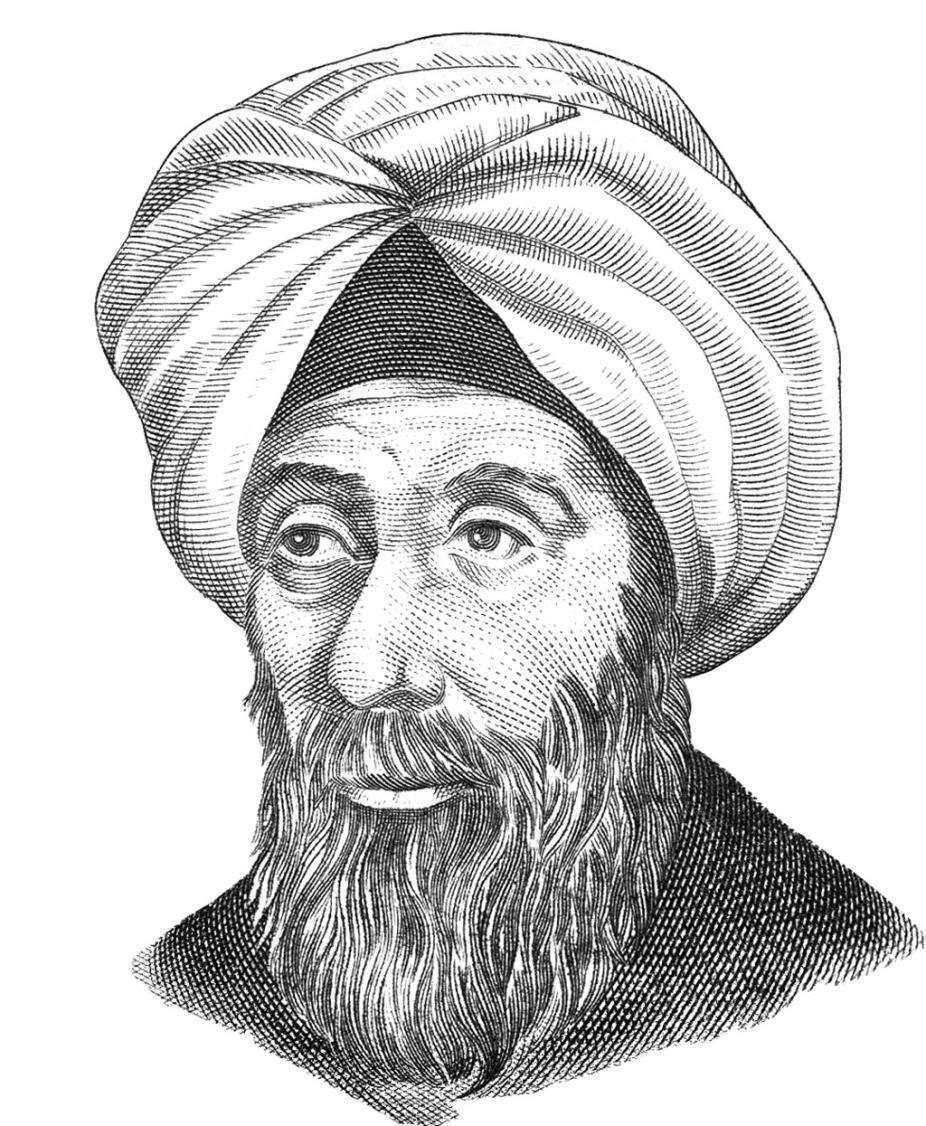
Ibn al-Haytham
Ibn al-Haytham transformed the study of light, vision and evidence. His Book of Optics helped lay foundations for experimental science, showing that knowledge grows strongest when curiosity is tested against observation.
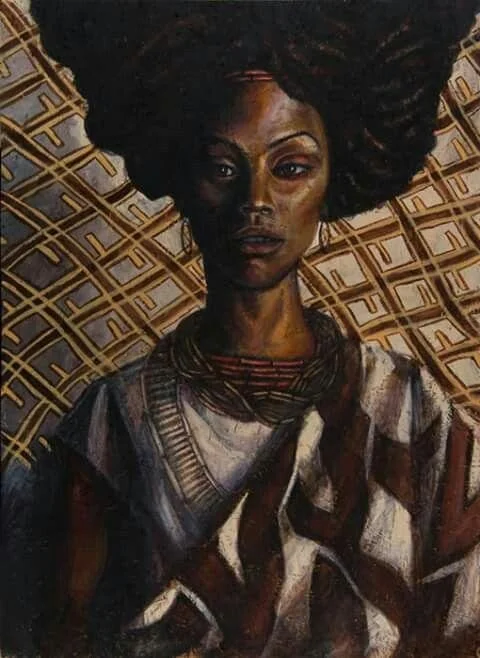
Queen Nzinga
Queen Nzinga Mbande was one of Africa's greatest rulers, leading the kingdoms of Ndongo and Matamba through diplomacy, warfare and political strategy during the seventeenth century while resisting Portuguese expansion.

Fatima al-Fihri
Fatima al-Fihri is traditionally remembered as the founder of al-Qarawiyyin in Fez, a mosque that developed over centuries into one of the Islamic world’s great centres of learning.