

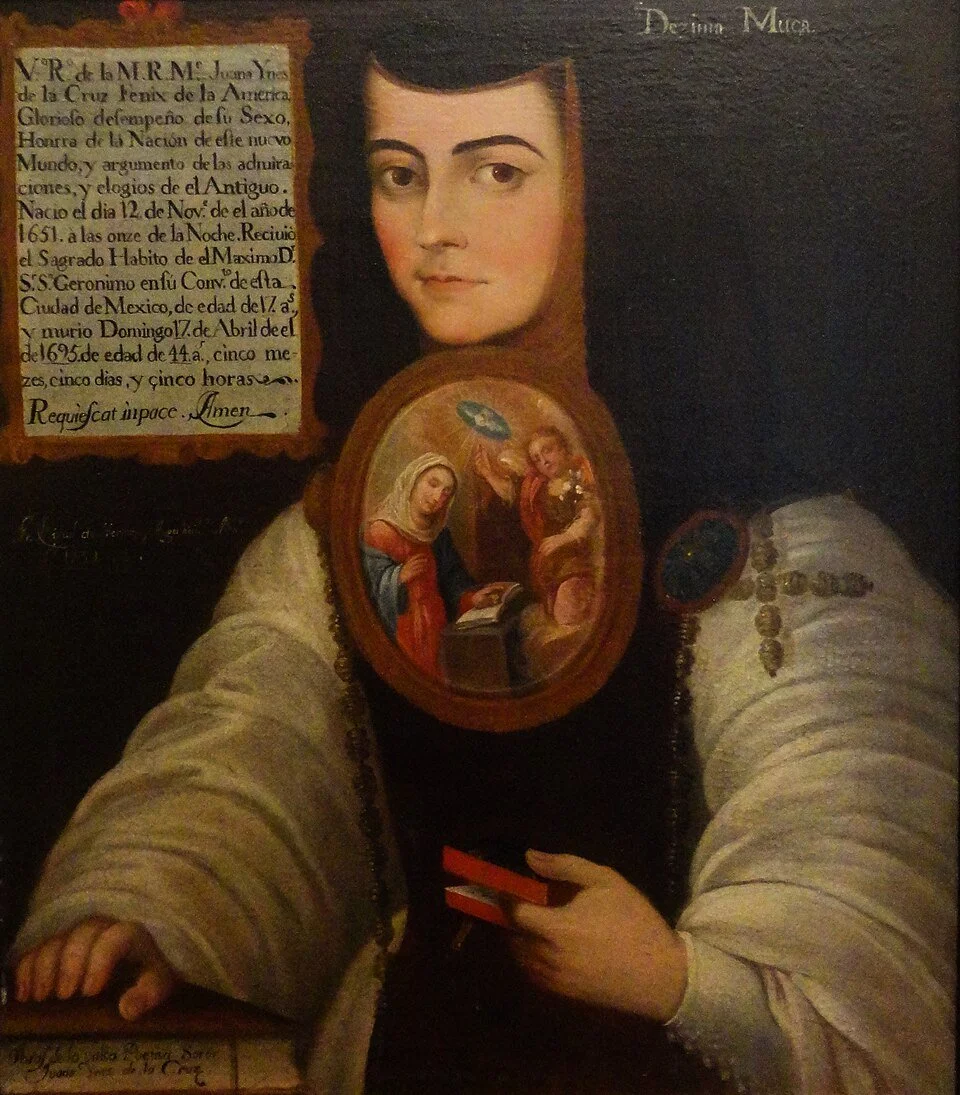
Sor Juana Inés de la Cruz
Sor Juana Inés de la Cruz was a writer, poet, playwright and scholar in seventeenth-century New Spain whose intellectual achievements made her one of the greatest literary figures of the Spanish-speaking world. Entering the convent of San Jerónimo gave her the space to pursue learning, producing poetry, drama, philosophy and theology that continue to shape literature and debates about education, knowledge and intellectual freedom. This profile examines the historical evidence for her life, writings and legacy while distinguishing the documented Sor Juana from later interpretations of her work.
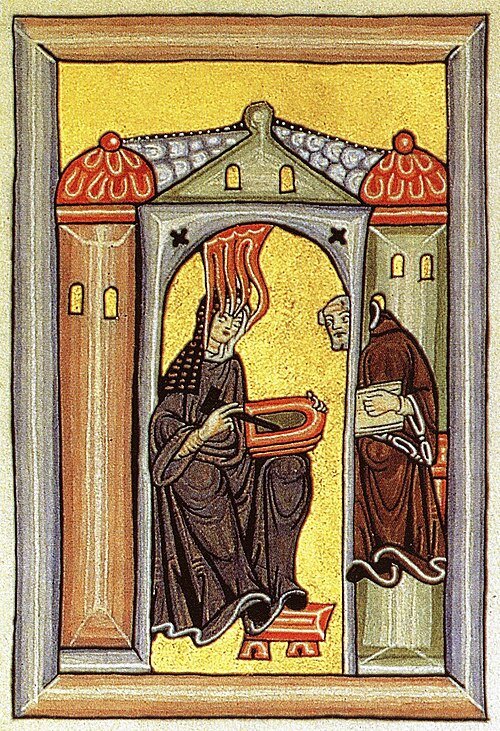
Hildegard of Bingen
Hildegard of Bingen was a Benedictine religious leader, visionary writer, composer and natural philosopher whose influence extended far beyond the convent walls of twelfth-century Germany. Through her visionary theology, music, correspondence and writings on the natural world, she became one of the most remarkable intellectual figures of the Middle Ages. This profile examines the historical evidence for her life, authority and legacy while distinguishing the documented Hildegard from the many later interpretations that have surrounded her reputation.
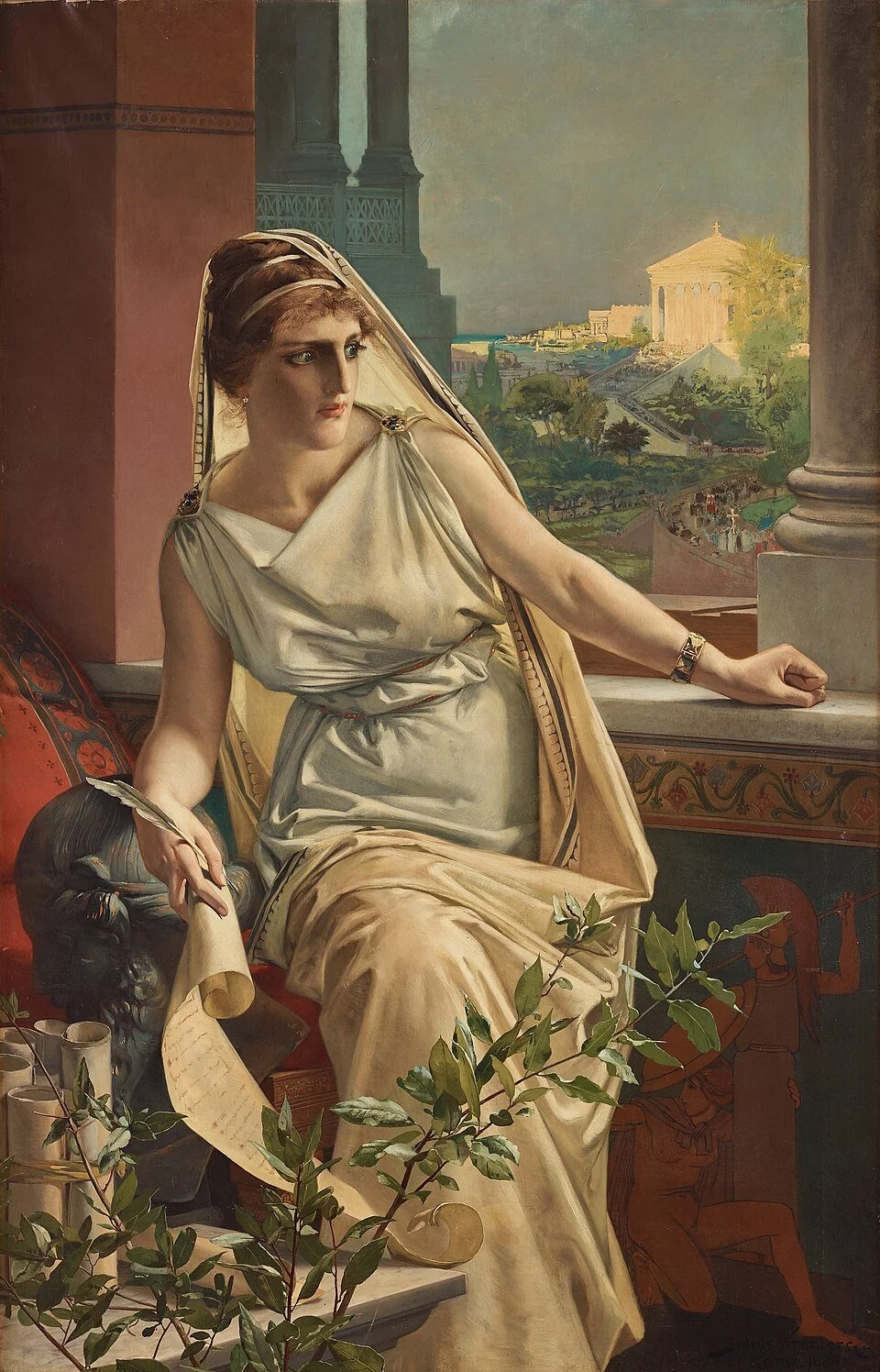
Hypatia
Hypatia of Alexandria was one of the most prominent philosophers and mathematical scholars of late antiquity. Celebrated as a teacher, respected by civic officials and remembered through the letters of her student Synesius, her life has often been overshadowed by the violent circumstances of her murder in 415 CE. This profile separates the historical philosopher from the later myths that transformed her into a martyr for science, the last guardian of the Library of Alexandria and a symbol of conflict between reason and religion.
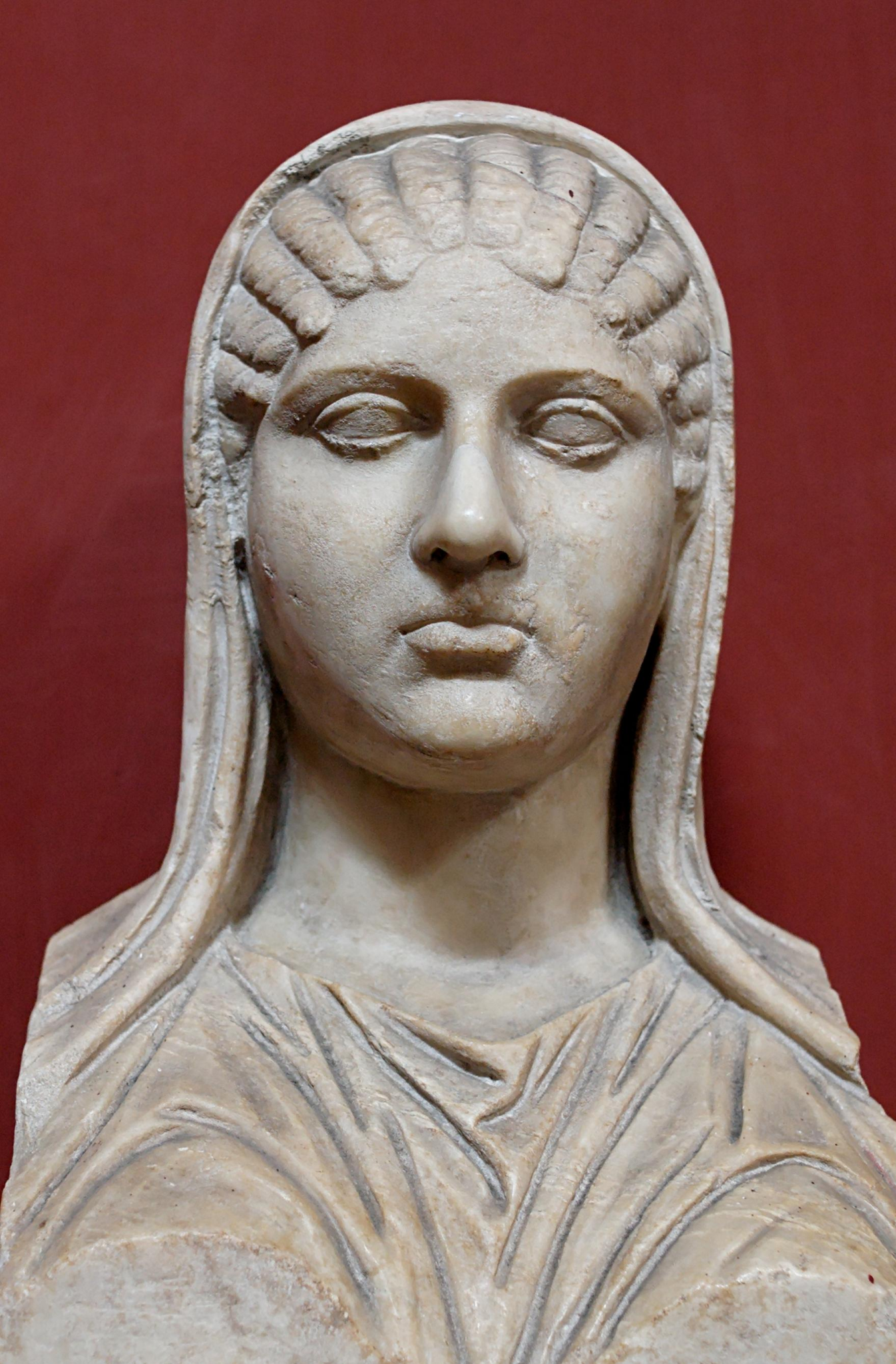
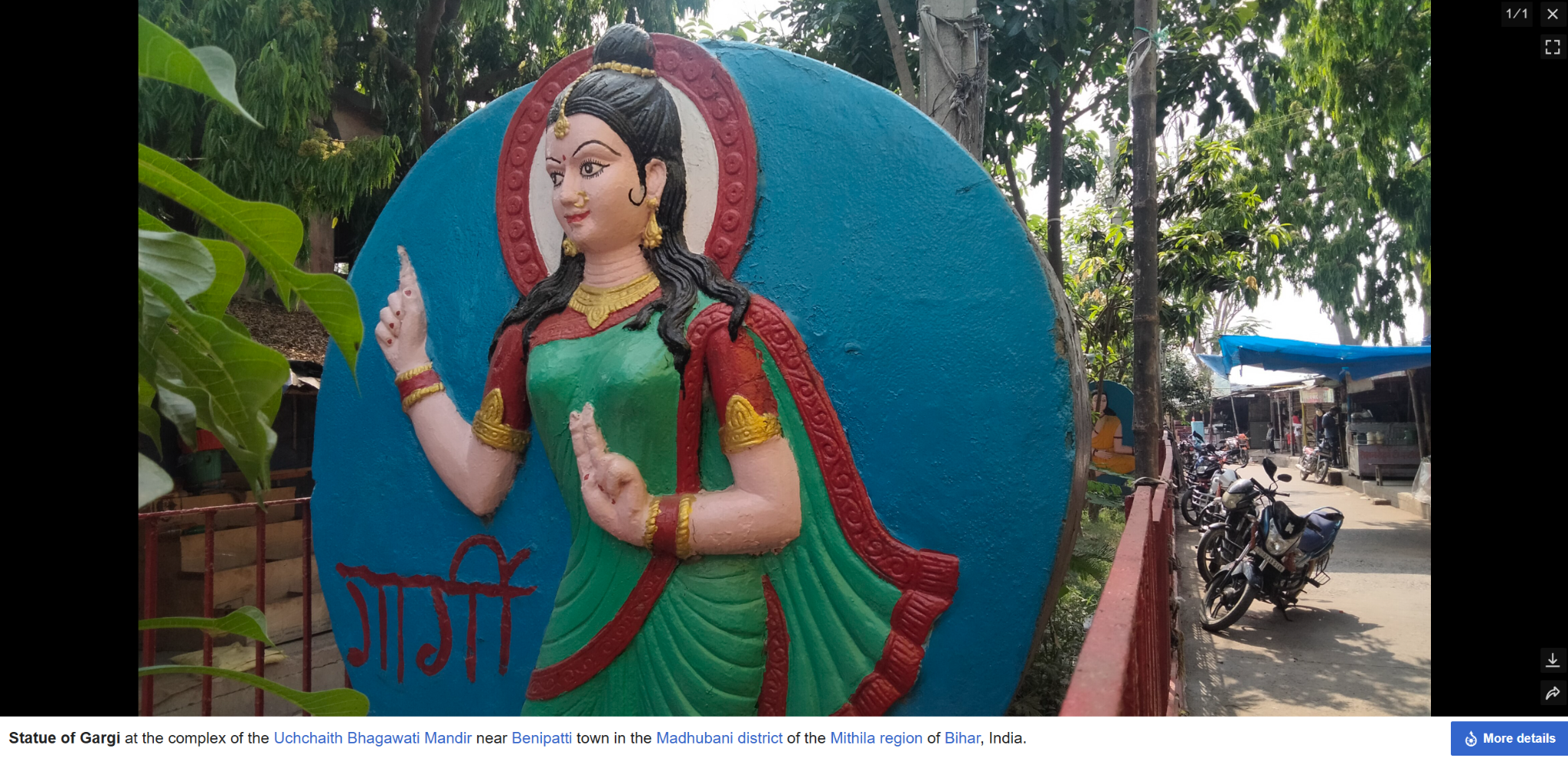
Gargi Vachaknavi
Gargi Vachaknavi was one of the world's earliest recorded women philosophers. Her famous debate with Yajnavalkya in the Brihadaranyaka Upanishad remains one of humanity's oldest surviving philosophical dialogues.