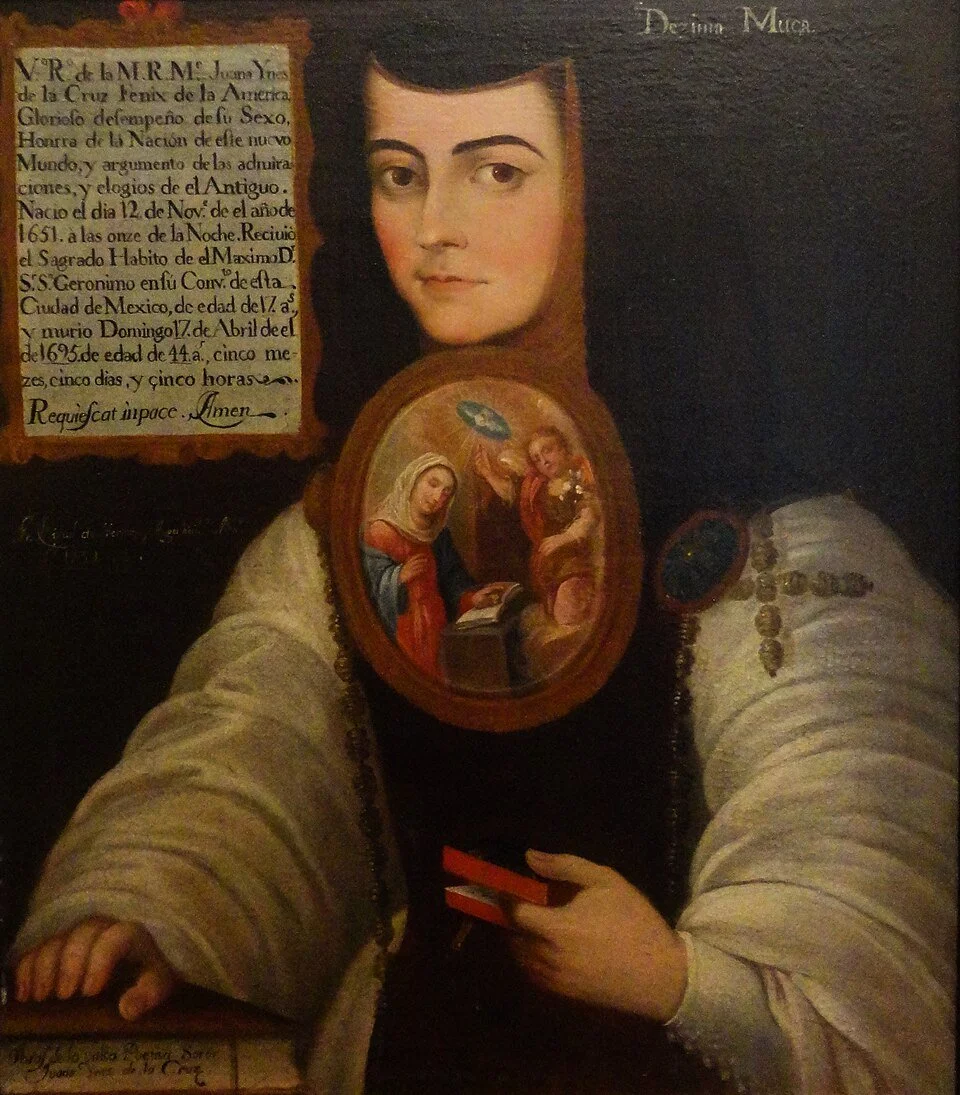
Sor Juana Inés de la Cruz
Sor Juana Inés de la Cruz was a writer, poet, playwright and scholar in seventeenth-century New Spain whose intellectual achievements made her one of the greatest literary figures of the Spanish-speaking world. Entering the convent of San Jerónimo gave her the space to pursue learning, producing poetry, drama, philosophy and theology that continue to shape literature and debates about education, knowledge and intellectual freedom. This profile examines the historical evidence for her life, writings and legacy while distinguishing the documented Sor Juana from later interpretations of her work.
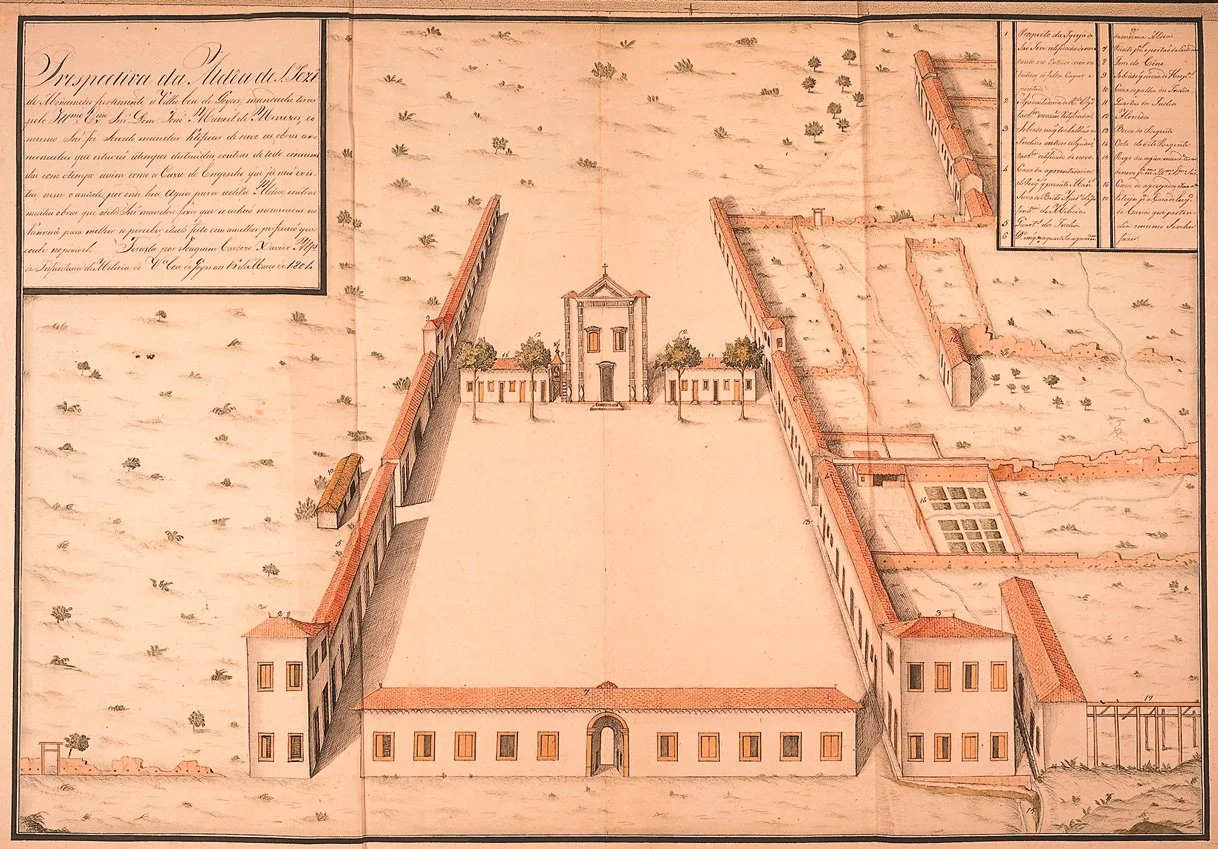
Damiana da Cunha
Damiana da Cunha was a Southern Kayapó leader, diplomat and expedition leader who spent decades negotiating between Indigenous communities and the Portuguese colonial authorities. Her life reveals both the possibilities and limits of mediation on Brazil's expanding colonial frontier.
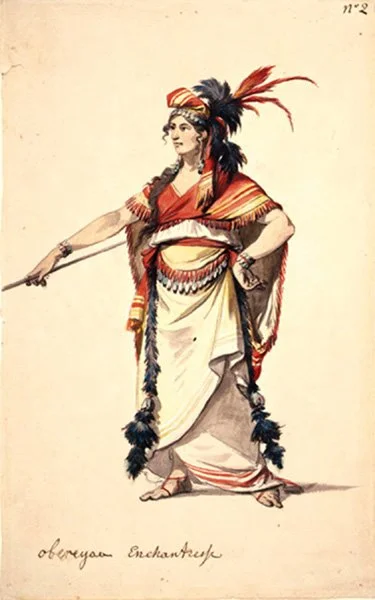
Purea
Europe remembered her as Queen Oberea, but Purea was not the monarch of a unified Tahiti. She was a high-ranking Tahitian woman whose lineage, marriage and political influence placed her near the centre of an ambitious dynastic project involving her son Teriʻirere and the great marae of Mahaiatea.
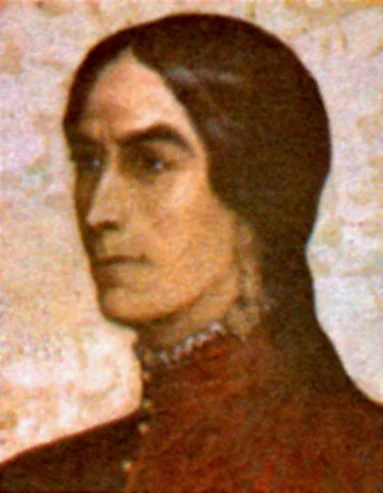
Micaela Bastidas
Micaela Bastidas was one of the principal leaders of the Great Andean Rebellion of 1780–1783. Her surviving letters reveal a strategist and organiser managing supplies, communications, recruitment and military decisions at the heart of the uprising.
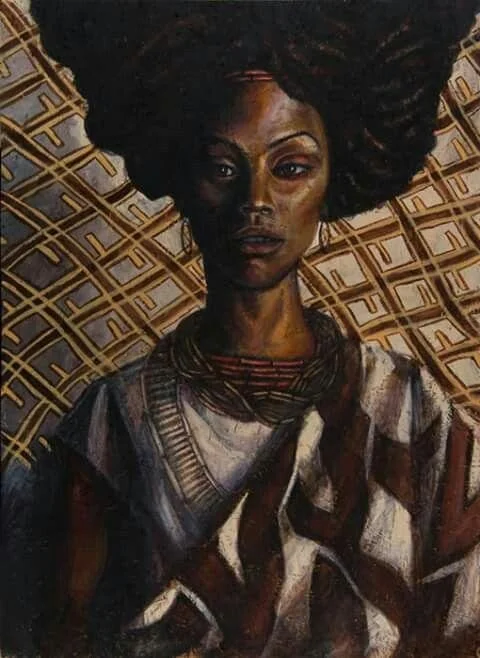
Queen Nzinga
Queen Nzinga Mbande was one of Africa's greatest rulers, leading the kingdoms of Ndongo and Matamba through diplomacy, warfare and political strategy during the seventeenth century while resisting Portuguese expansion.