

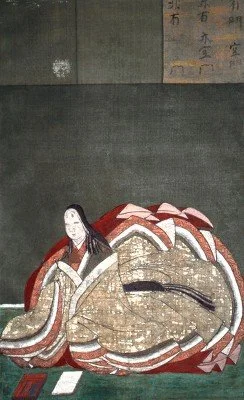
Murasaki Shikibu
Murasaki Shikibu was a Heian-period writer, poet and court lady whose Tale of Genji became one of the most influential works in Japanese literature. Educated in Chinese literary traditions and later attached to the court of the imperial consort Shōshi, she recorded the refined culture, political pressures and unequal relationships of aristocratic life with exceptional psychological depth. This profile examines the evidence for her life, writing and court career while separating the historical author from later traditions surrounding her name, inspiration and reputation.
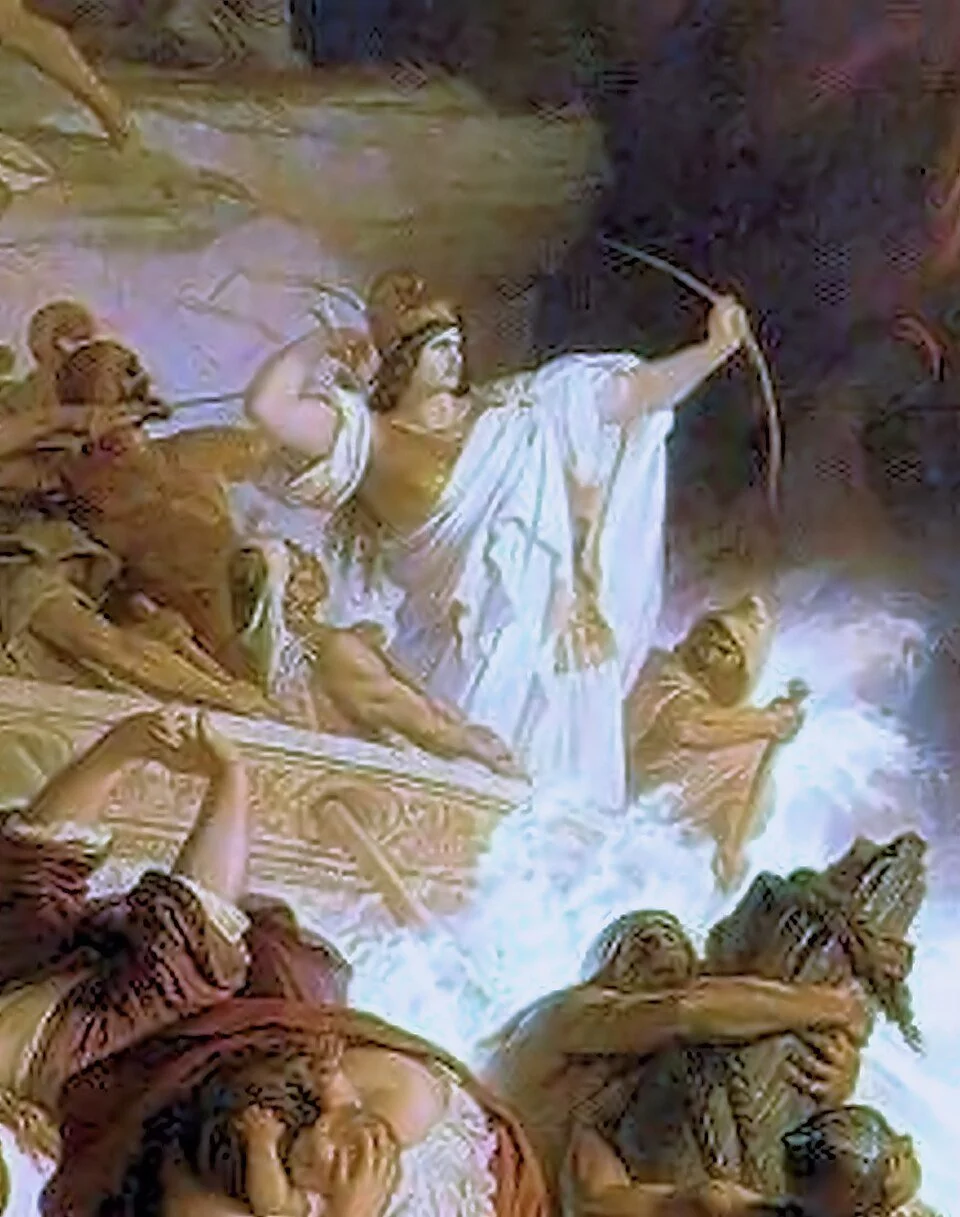
Artemisia I of Caria
Artemisia I ruled Halicarnassus within the Achaemenid Persian Empire and commanded five ships during Xerxes I’s invasion of Greece. Remembered through Herodotus’ account, she became known for her strategic advice before the Battle of Salamis and remains one of the best-documented female naval commanders of the ancient world.
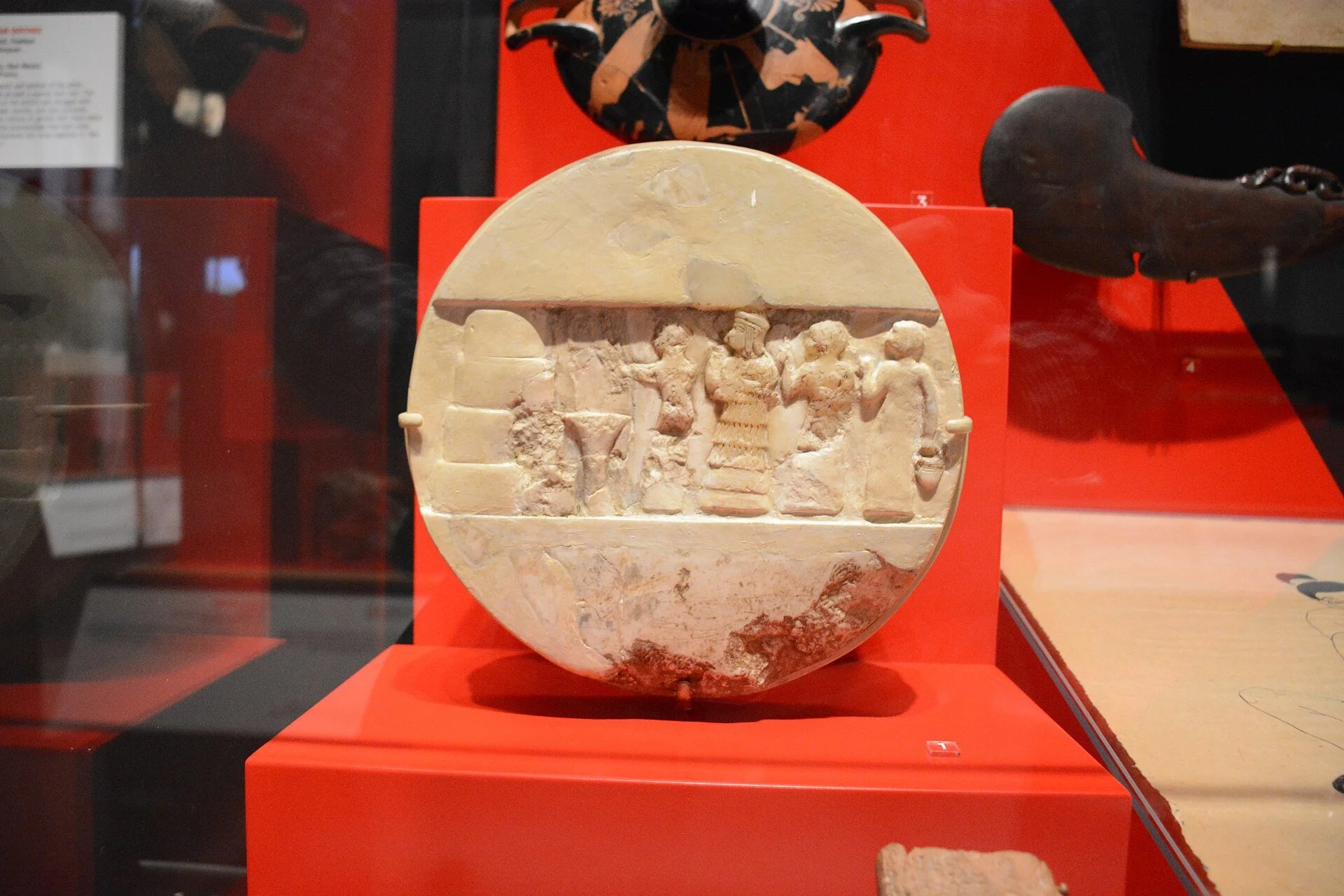
Enheduanna
Enheduanna was a daughter of Sargon of Akkad and high priestess of Nanna at Ur. Remembered through archaeology and a major Sumerian literary tradition, she is one of the earliest historical individuals associated by name with substantial surviving literature.
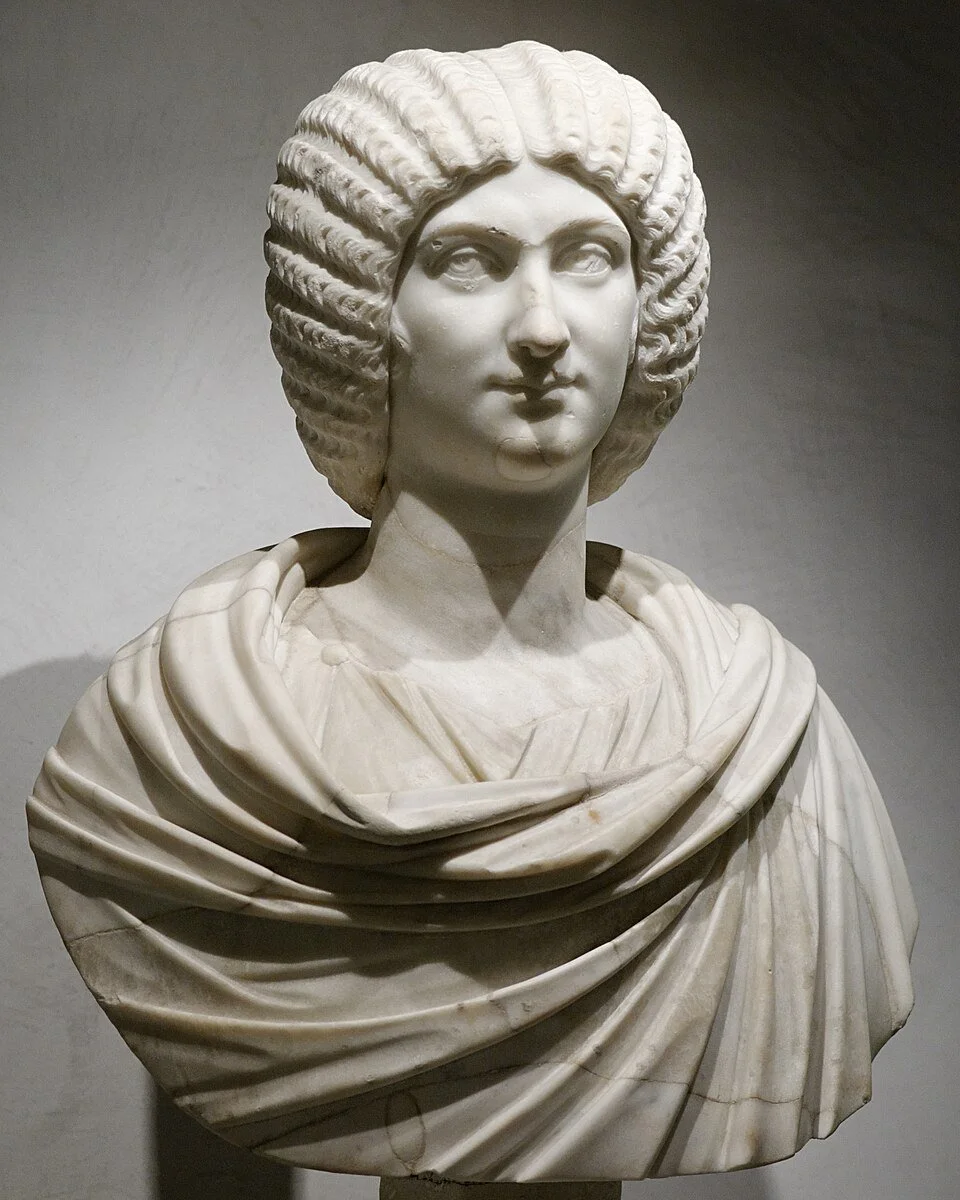
Julia Domna
Julia Domna rose from a prominent family in Roman Syria to become one of the most influential women of the Severan dynasty. Empress, intellectual patron and imperial administrator, her life reveals how authority could operate at the centre of Rome without formal imperial office.
Chiune Sugihara
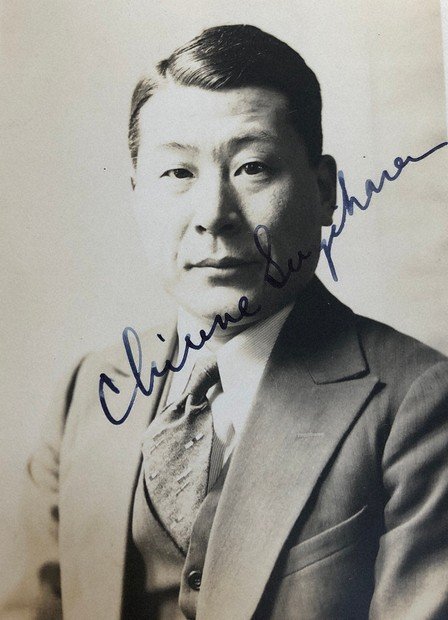
Chiune Sugihara was a Japanese diplomat who defied official restrictions in Lithuania in 1940 and issued more than two thousand recorded transit visas to Jewish refugees. His decision helped thousands begin an escape across the Soviet Union and through Japan during the Holocaust.
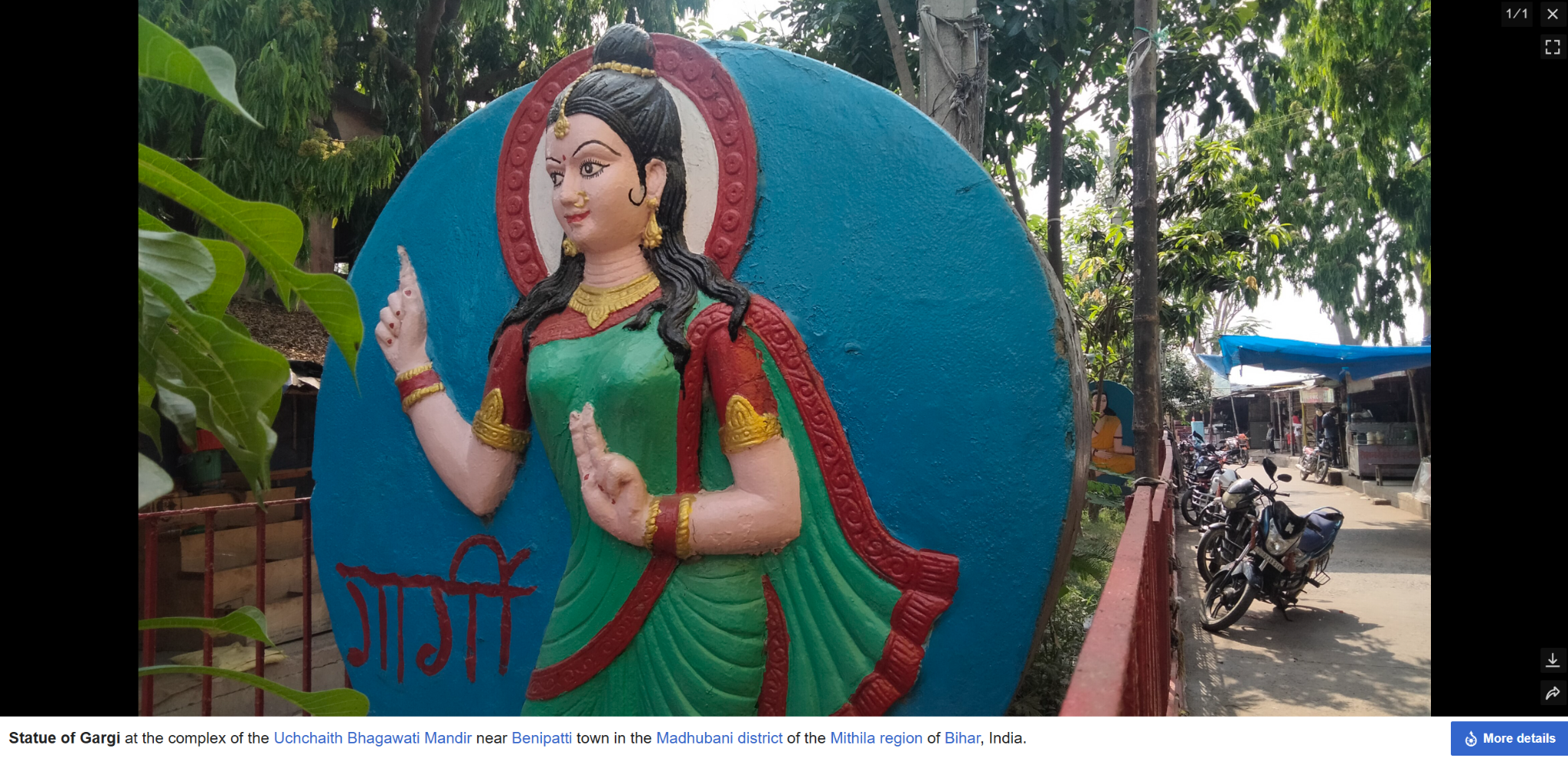
Gargi Vachaknavi
Gargi Vachaknavi was one of the world's earliest recorded women philosophers. Her famous debate with Yajnavalkya in the Brihadaranyaka Upanishad remains one of humanity's oldest surviving philosophical dialogues.