

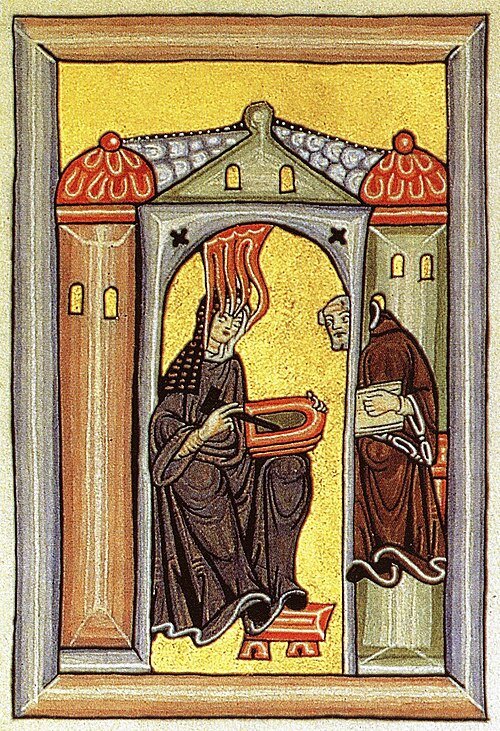
Hildegard of Bingen
Hildegard of Bingen was a Benedictine religious leader, visionary writer, composer and natural philosopher whose influence extended far beyond the convent walls of twelfth-century Germany. Through her visionary theology, music, correspondence and writings on the natural world, she became one of the most remarkable intellectual figures of the Middle Ages. This profile examines the historical evidence for her life, authority and legacy while distinguishing the documented Hildegard from the many later interpretations that have surrounded her reputation.
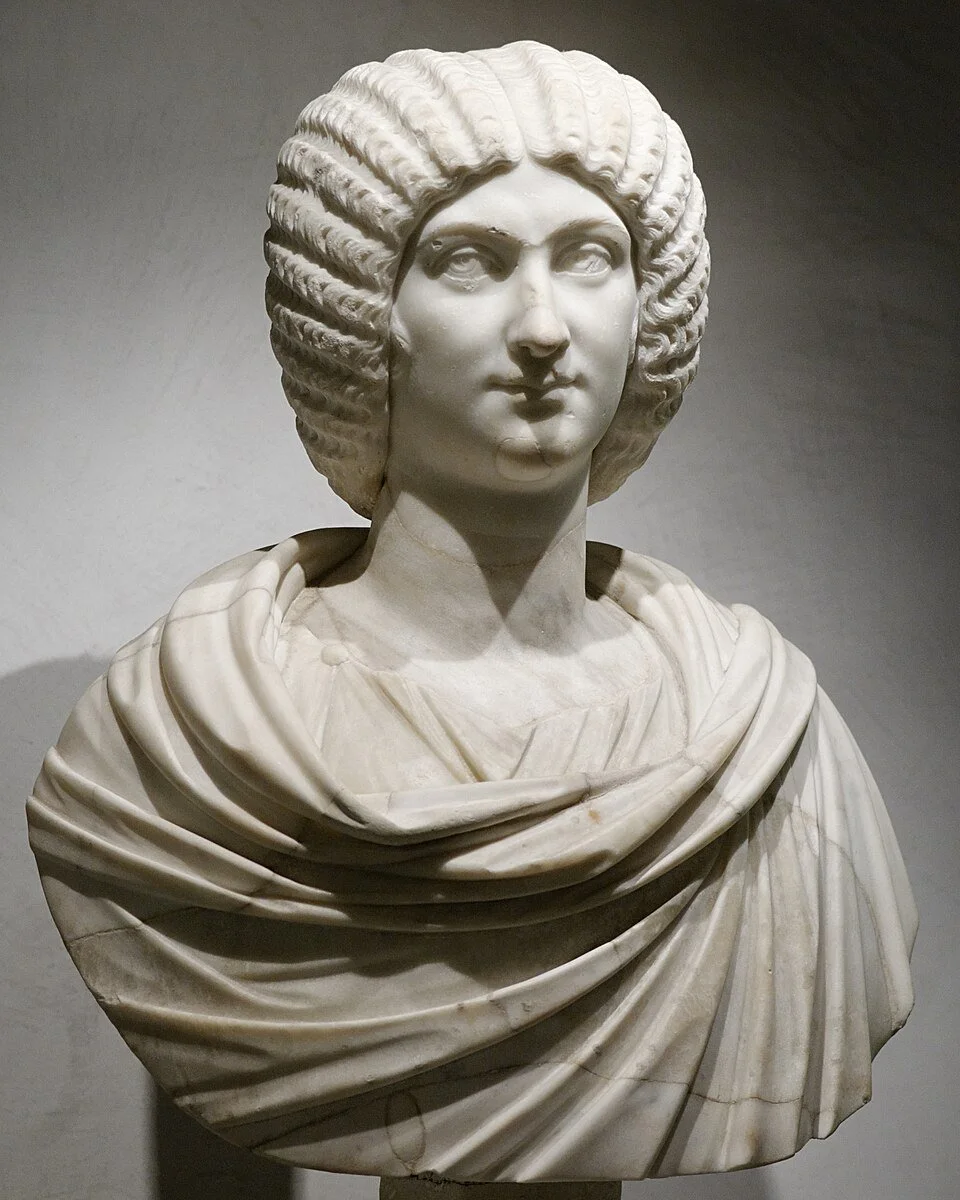
Julia Domna
Julia Domna rose from a prominent family in Roman Syria to become one of the most influential women of the Severan dynasty. Empress, intellectual patron and imperial administrator, her life reveals how authority could operate at the centre of Rome without formal imperial office.
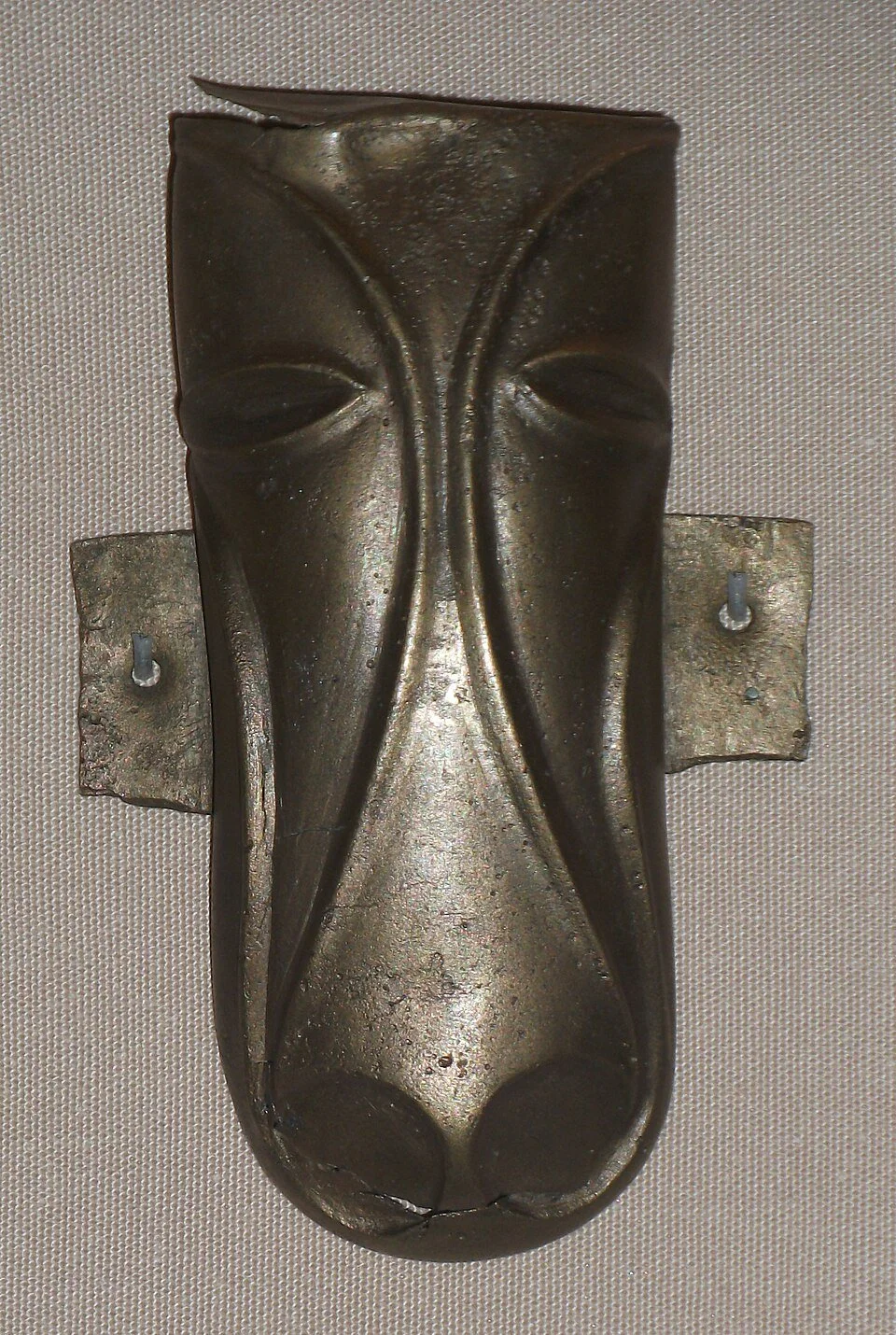
Cartimandua
Cartimandua ruled the powerful Brigantes during Rome’s conquest of Britain. Remembered as a traitor for surrendering Caratacus, her story reveals a far more complicated world of diplomacy, survival and female power.
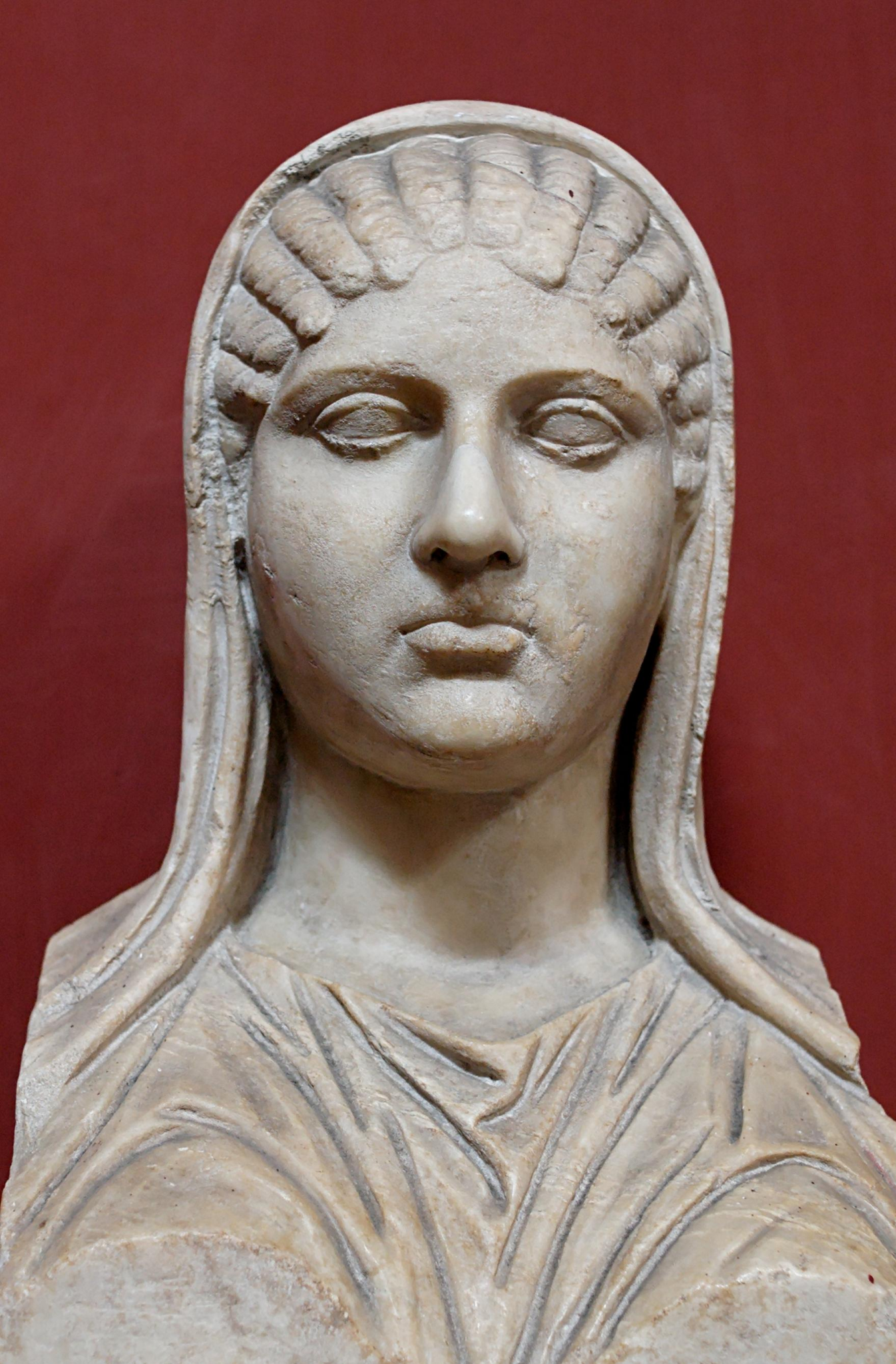

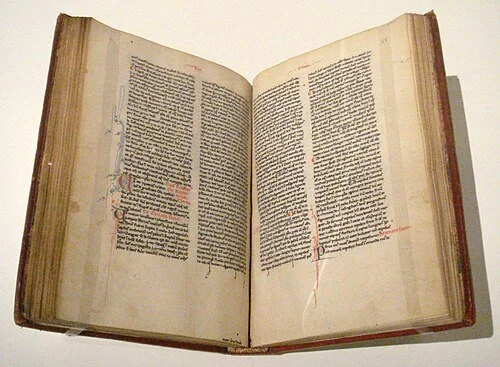
Trotula-of-Salerno
Trotula of Salerno is a name attached to influential medieval medical texts on women’s health. Whether one woman, several writers, or a textual tradition, her legacy reveals how women’s medical knowledge entered—and later blurred within—the written record.