

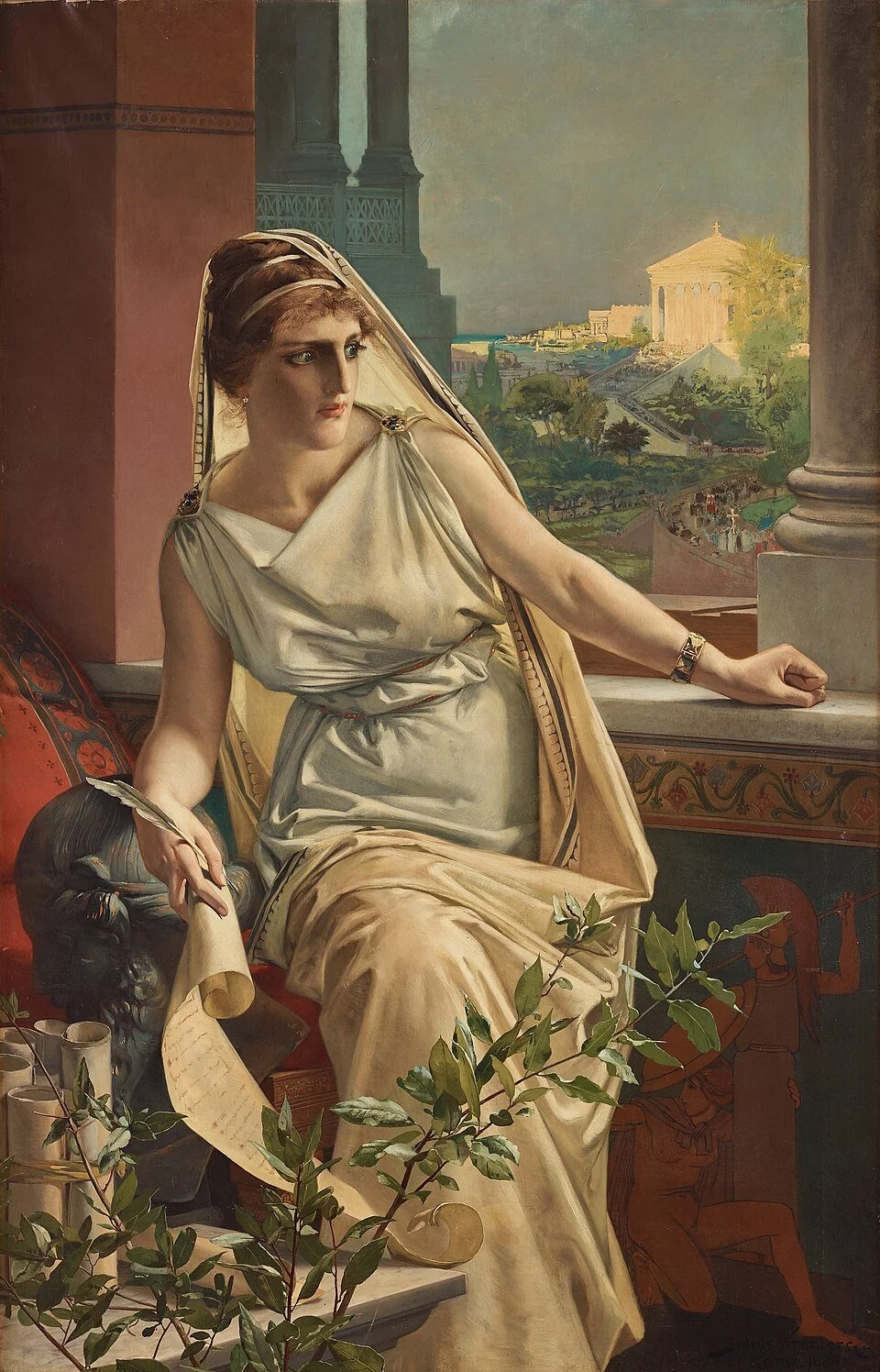
Hypatia
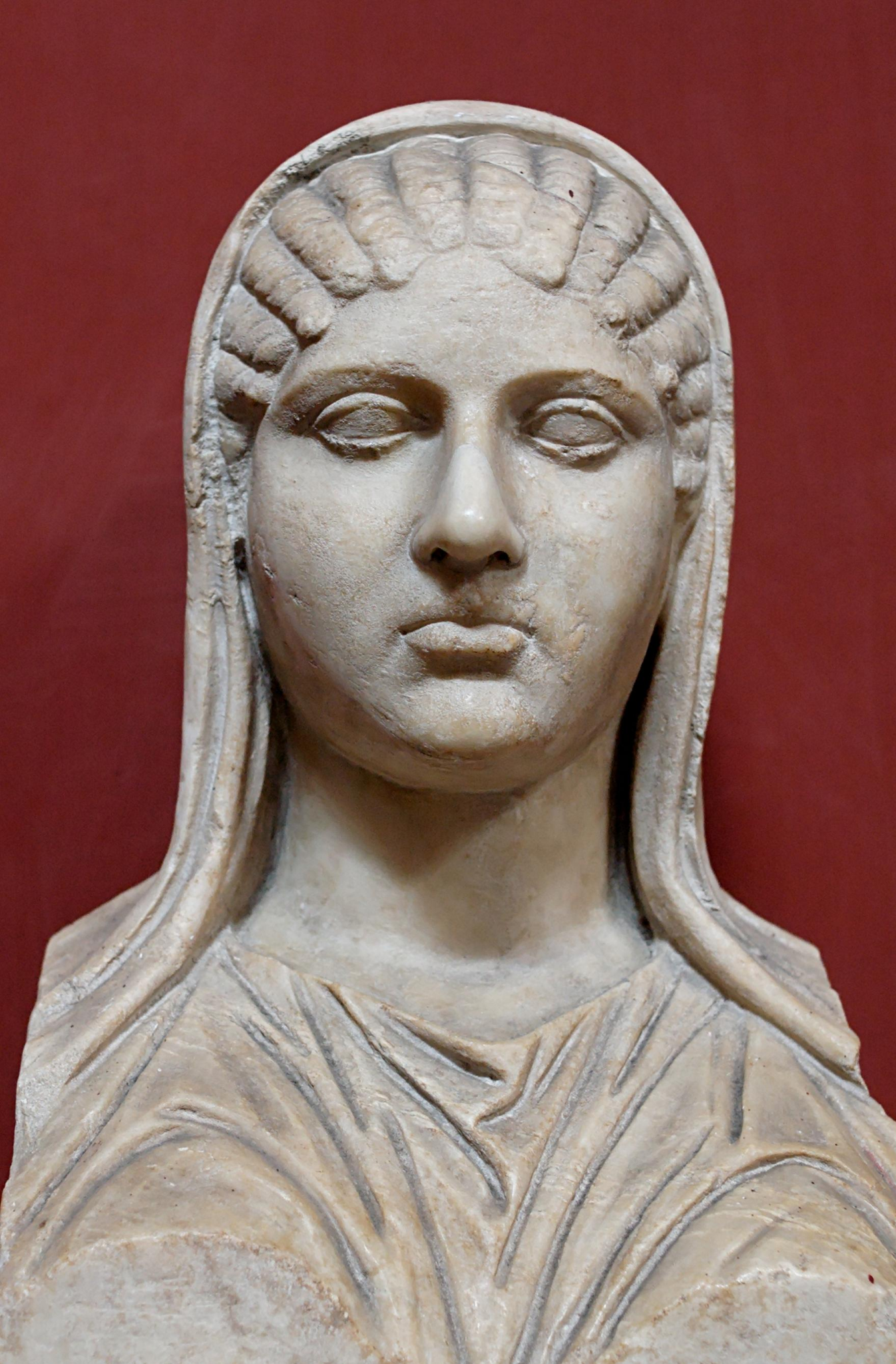
Hypatia of Alexandria was one of the most prominent philosophers and mathematical scholars of late antiquity. Celebrated as a teacher, respected by civic officials and remembered through the letters of her student Synesius, her life has often been overshadowed by the violent circumstances of her murder in 415 CE. This profile separates the historical philosopher from the later myths that transformed her into a martyr for science, the last guardian of the Library of Alexandria and a symbol of conflict between reason and religion.
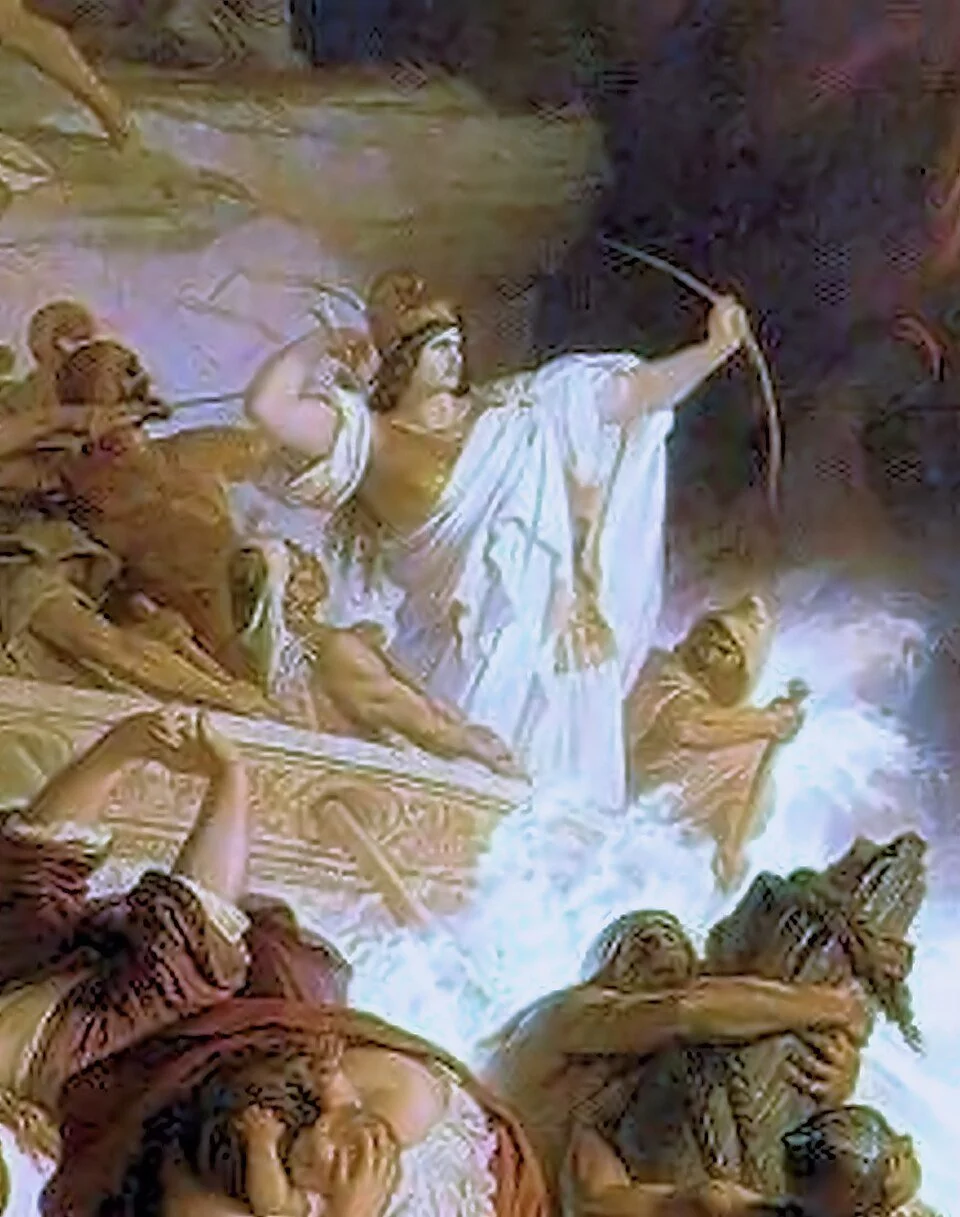
Artemisia I of Caria
Artemisia I ruled Halicarnassus within the Achaemenid Persian Empire and commanded five ships during Xerxes I’s invasion of Greece. Remembered through Herodotus’ account, she became known for her strategic advice before the Battle of Salamis and remains one of the best-documented female naval commanders of the ancient world.
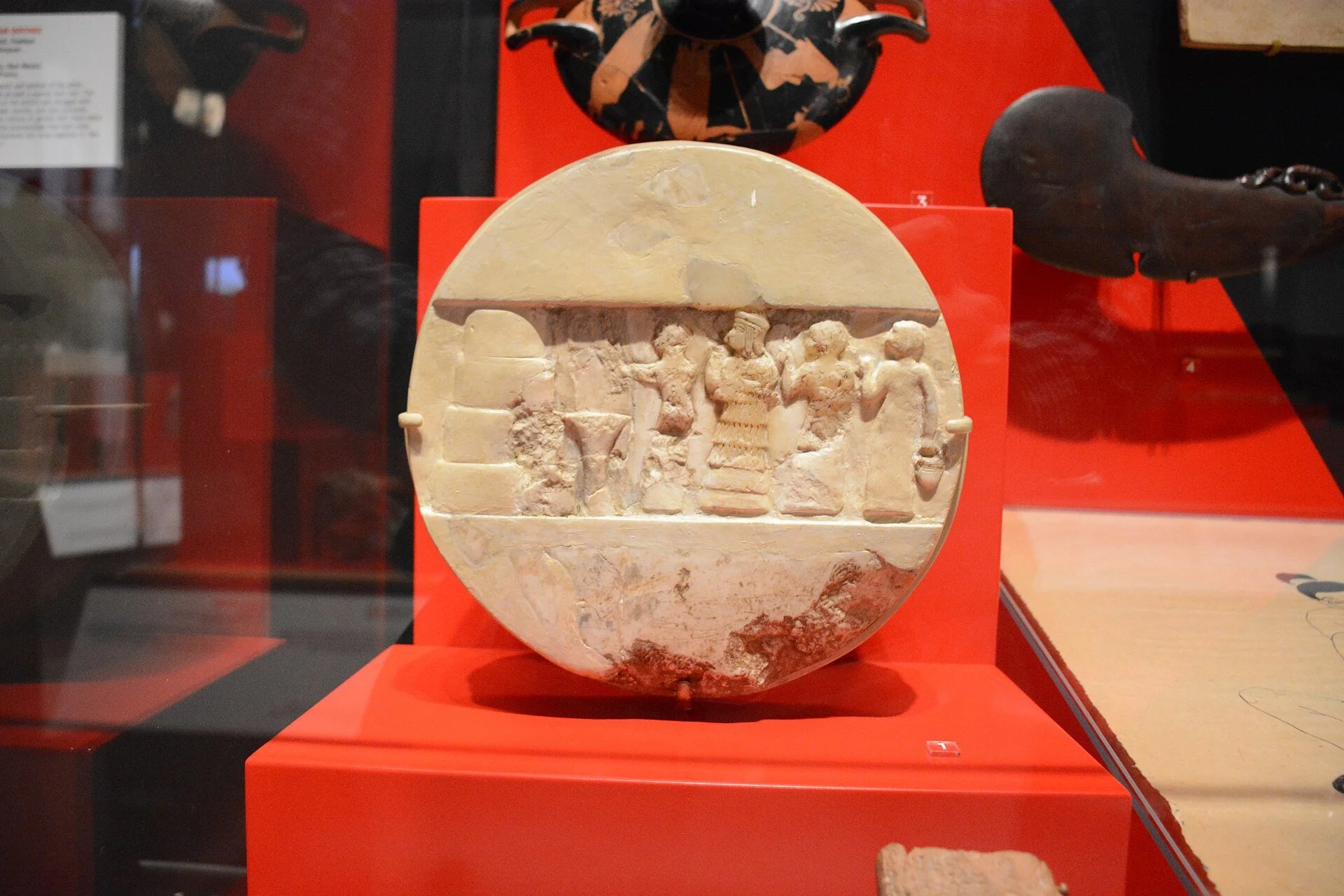
Enheduanna
Enheduanna was a daughter of Sargon of Akkad and high priestess of Nanna at Ur. Remembered through archaeology and a major Sumerian literary tradition, she is one of the earliest historical individuals associated by name with substantial surviving literature.
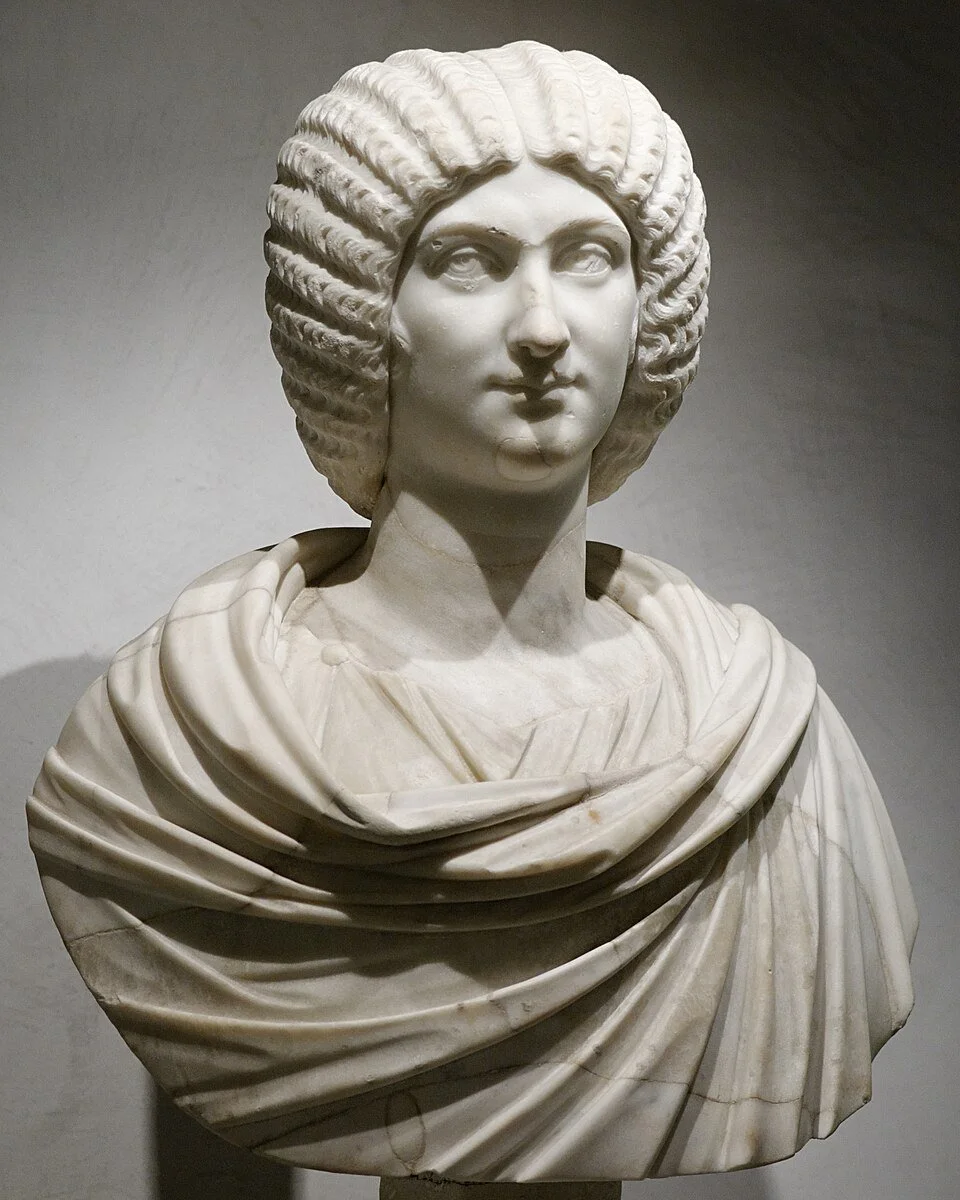
Julia Domna
Julia Domna rose from a prominent family in Roman Syria to become one of the most influential women of the Severan dynasty. Empress, intellectual patron and imperial administrator, her life reveals how authority could operate at the centre of Rome without formal imperial office.
Cartimandua
Cartimandua ruled the powerful Brigantes during Rome’s conquest of Britain. Remembered as a traitor for surrendering Caratacus, her story reveals a far more complicated world of diplomacy, survival and female power.

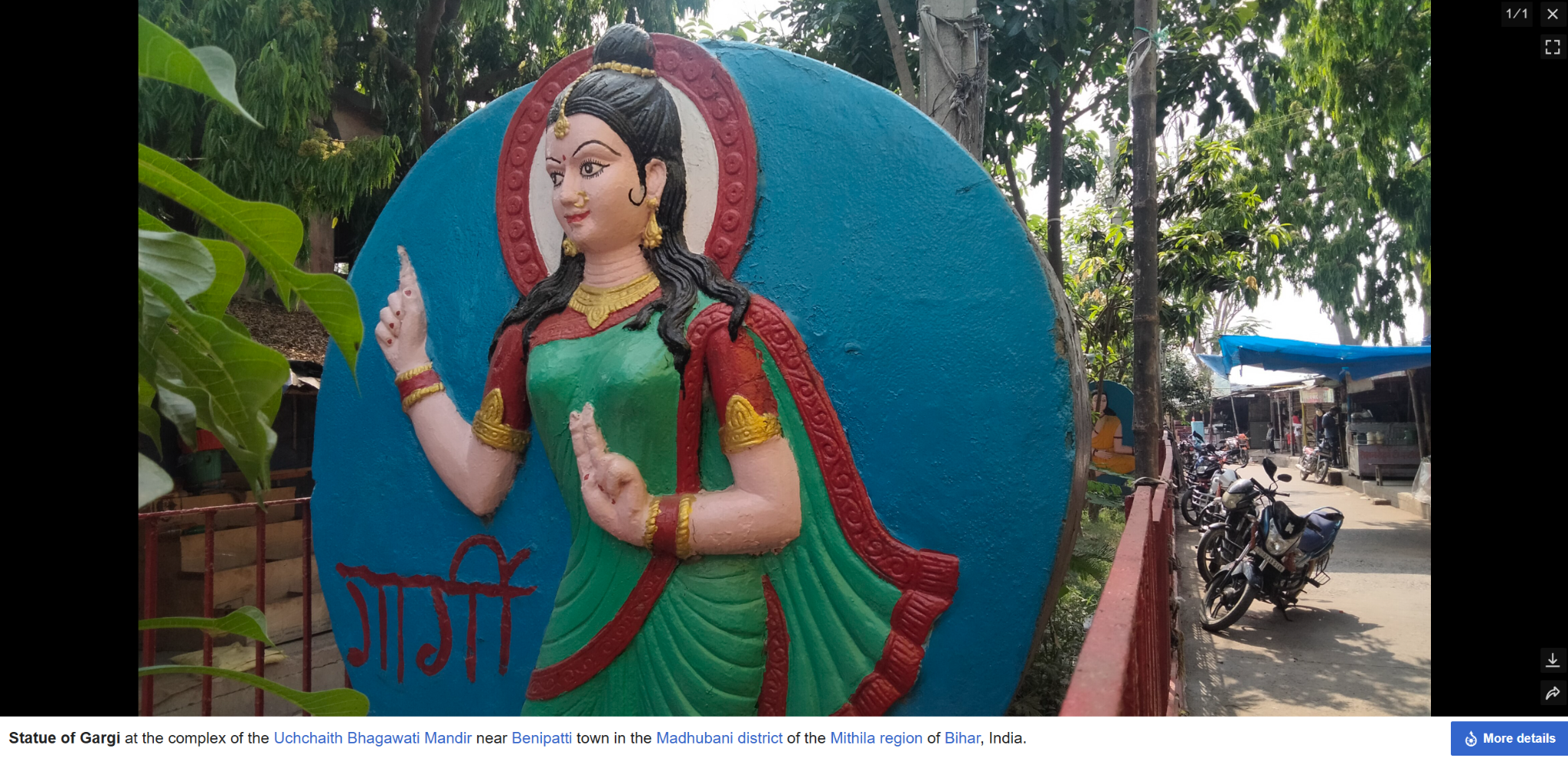
Gargi Vachaknavi
Gargi Vachaknavi was one of the world's earliest recorded women philosophers. Her famous debate with Yajnavalkya in the Brihadaranyaka Upanishad remains one of humanity's oldest surviving philosophical dialogues.