

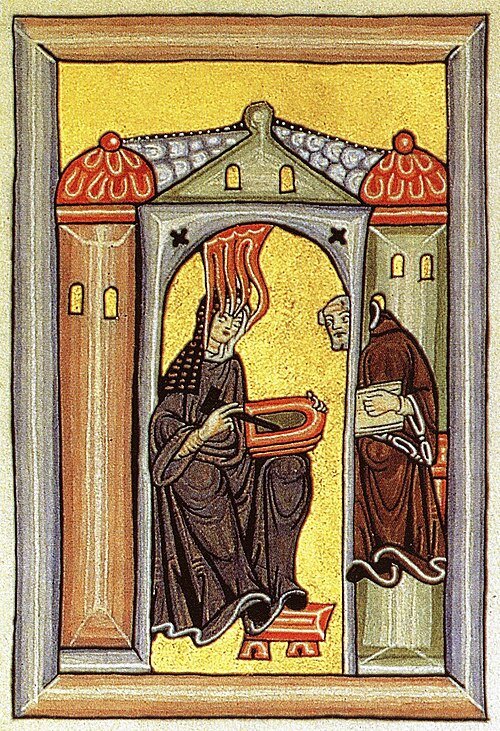
Hildegard of Bingen
Hildegard of Bingen was a Benedictine religious leader, visionary writer, composer and natural philosopher whose influence extended far beyond the convent walls of twelfth-century Germany. Through her visionary theology, music, correspondence and writings on the natural world, she became one of the most remarkable intellectual figures of the Middle Ages. This profile examines the historical evidence for her life, authority and legacy while distinguishing the documented Hildegard from the many later interpretations that have surrounded her reputation.
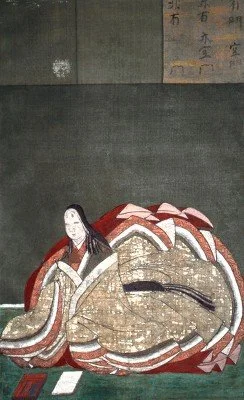
Murasaki Shikibu
Murasaki Shikibu was a Heian-period writer, poet and court lady whose Tale of Genji became one of the most influential works in Japanese literature. Educated in Chinese literary traditions and later attached to the court of the imperial consort Shōshi, she recorded the refined culture, political pressures and unequal relationships of aristocratic life with exceptional psychological depth. This profile examines the evidence for her life, writing and court career while separating the historical author from later traditions surrounding her name, inspiration and reputation.

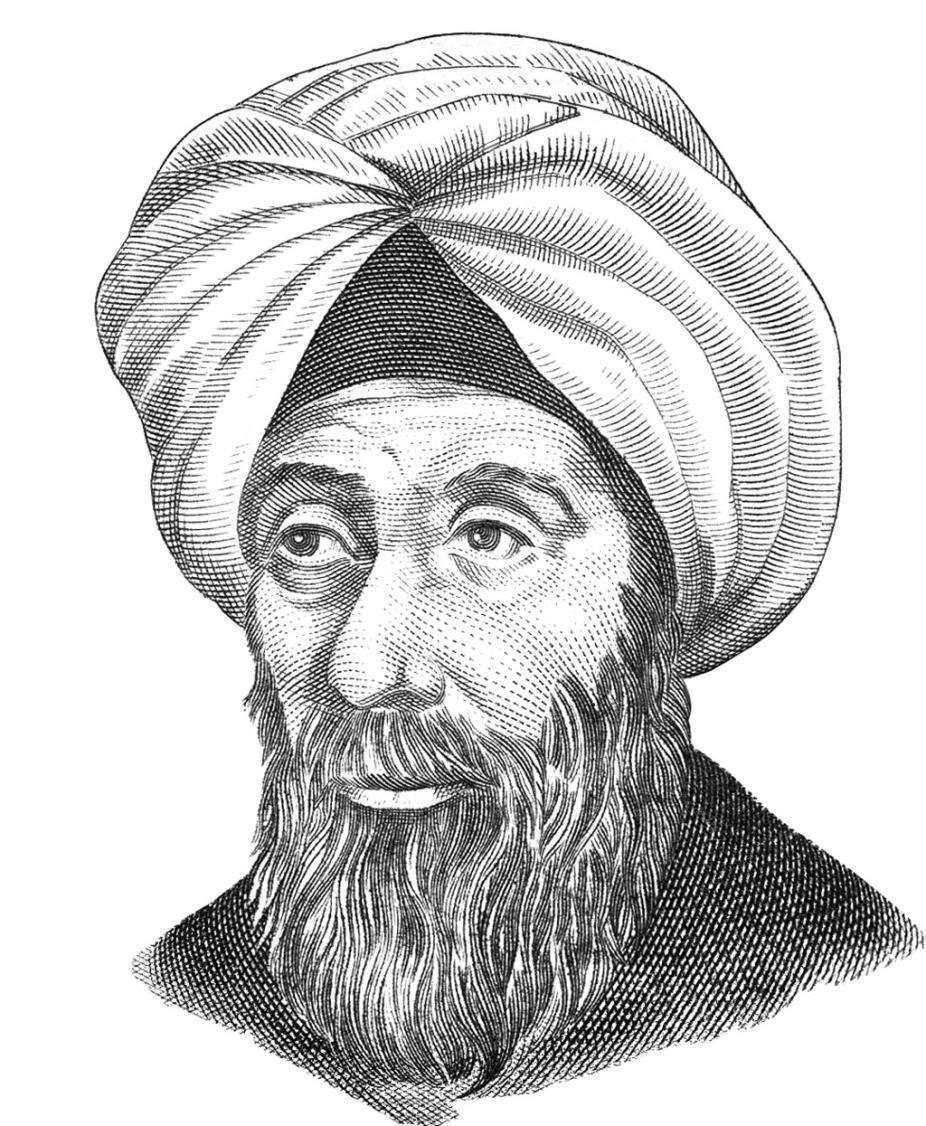
Ibn al-Haytham
Ibn al-Haytham transformed the study of light, vision and evidence. His Book of Optics helped lay foundations for experimental science, showing that knowledge grows strongest when curiosity is tested against observation.

Fatima al-Fihri
Fatima al-Fihri is traditionally remembered as the founder of al-Qarawiyyin in Fez, a mosque that developed over centuries into one of the Islamic world’s great centres of learning.
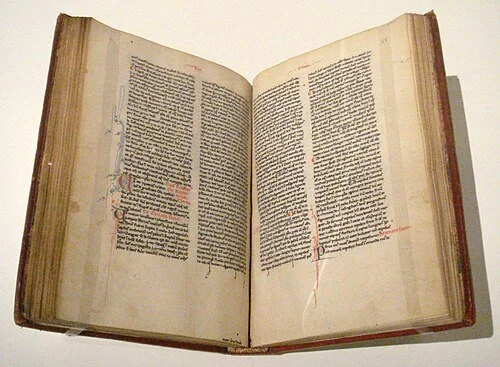
Trotula-of-Salerno
Trotula of Salerno is a name attached to influential medieval medical texts on women’s health. Whether one woman, several writers, or a textual tradition, her legacy reveals how women’s medical knowledge entered—and later blurred within—the written record.