

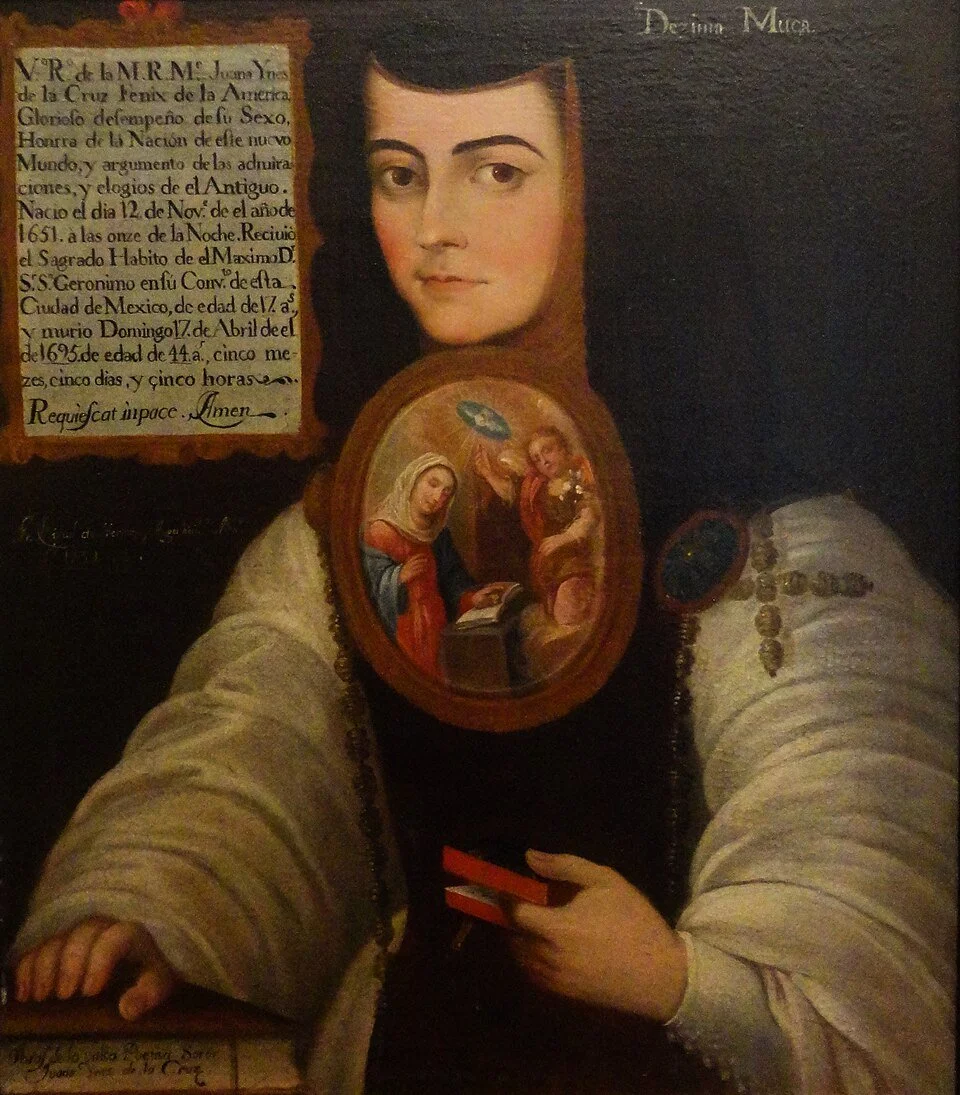
Sor Juana Inés de la Cruz
Sor Juana Inés de la Cruz was a writer, poet, playwright and scholar in seventeenth-century New Spain whose intellectual achievements made her one of the greatest literary figures of the Spanish-speaking world. Entering the convent of San Jerónimo gave her the space to pursue learning, producing poetry, drama, philosophy and theology that continue to shape literature and debates about education, knowledge and intellectual freedom. This profile examines the historical evidence for her life, writings and legacy while distinguishing the documented Sor Juana from later interpretations of her work.
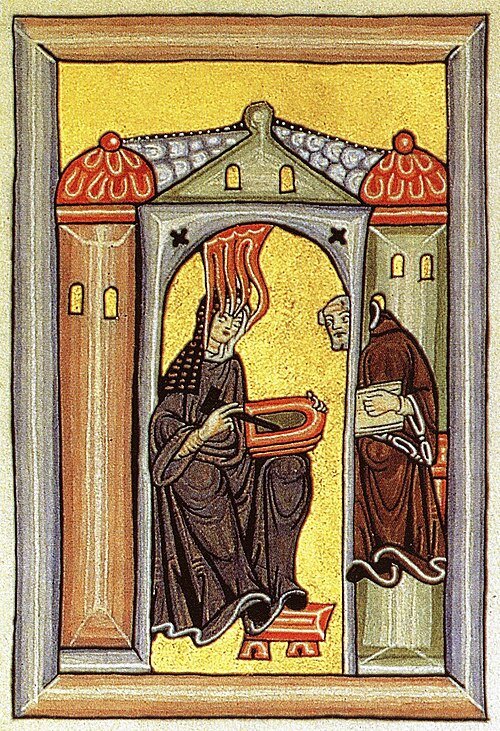
Hildegard of Bingen
Hildegard of Bingen was a Benedictine religious leader, visionary writer, composer and natural philosopher whose influence extended far beyond the convent walls of twelfth-century Germany. Through her visionary theology, music, correspondence and writings on the natural world, she became one of the most remarkable intellectual figures of the Middle Ages. This profile examines the historical evidence for her life, authority and legacy while distinguishing the documented Hildegard from the many later interpretations that have surrounded her reputation.
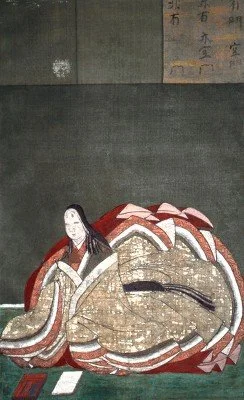
Murasaki Shikibu
Murasaki Shikibu was a Heian-period writer, poet and court lady whose Tale of Genji became one of the most influential works in Japanese literature. Educated in Chinese literary traditions and later attached to the court of the imperial consort Shōshi, she recorded the refined culture, political pressures and unequal relationships of aristocratic life with exceptional psychological depth. This profile examines the evidence for her life, writing and court career while separating the historical author from later traditions surrounding her name, inspiration and reputation.
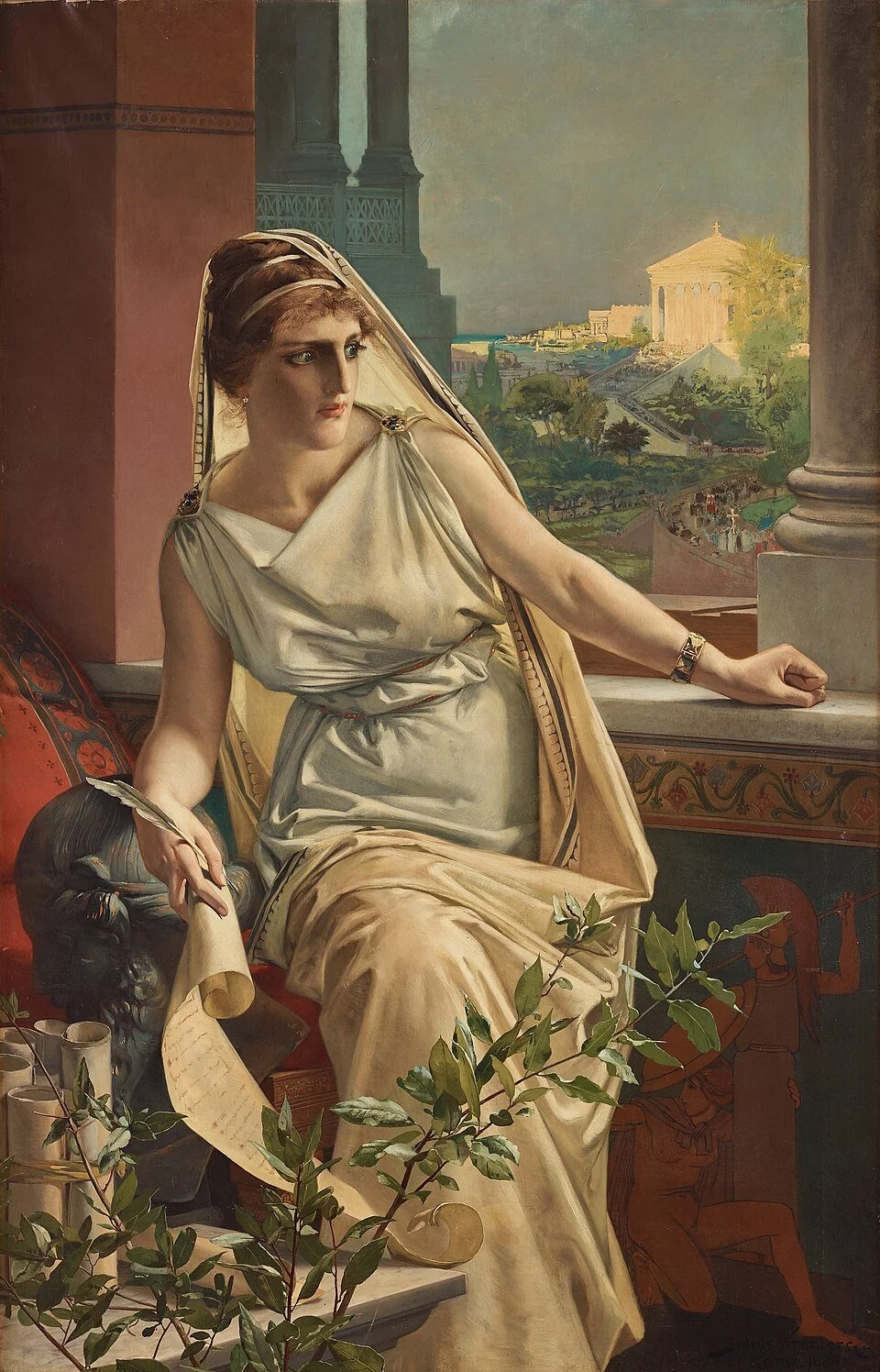
Hypatia
Hypatia of Alexandria was one of the most prominent philosophers and mathematical scholars of late antiquity. Celebrated as a teacher, respected by civic officials and remembered through the letters of her student Synesius, her life has often been overshadowed by the violent circumstances of her murder in 415 CE. This profile separates the historical philosopher from the later myths that transformed her into a martyr for science, the last guardian of the Library of Alexandria and a symbol of conflict between reason and religion.
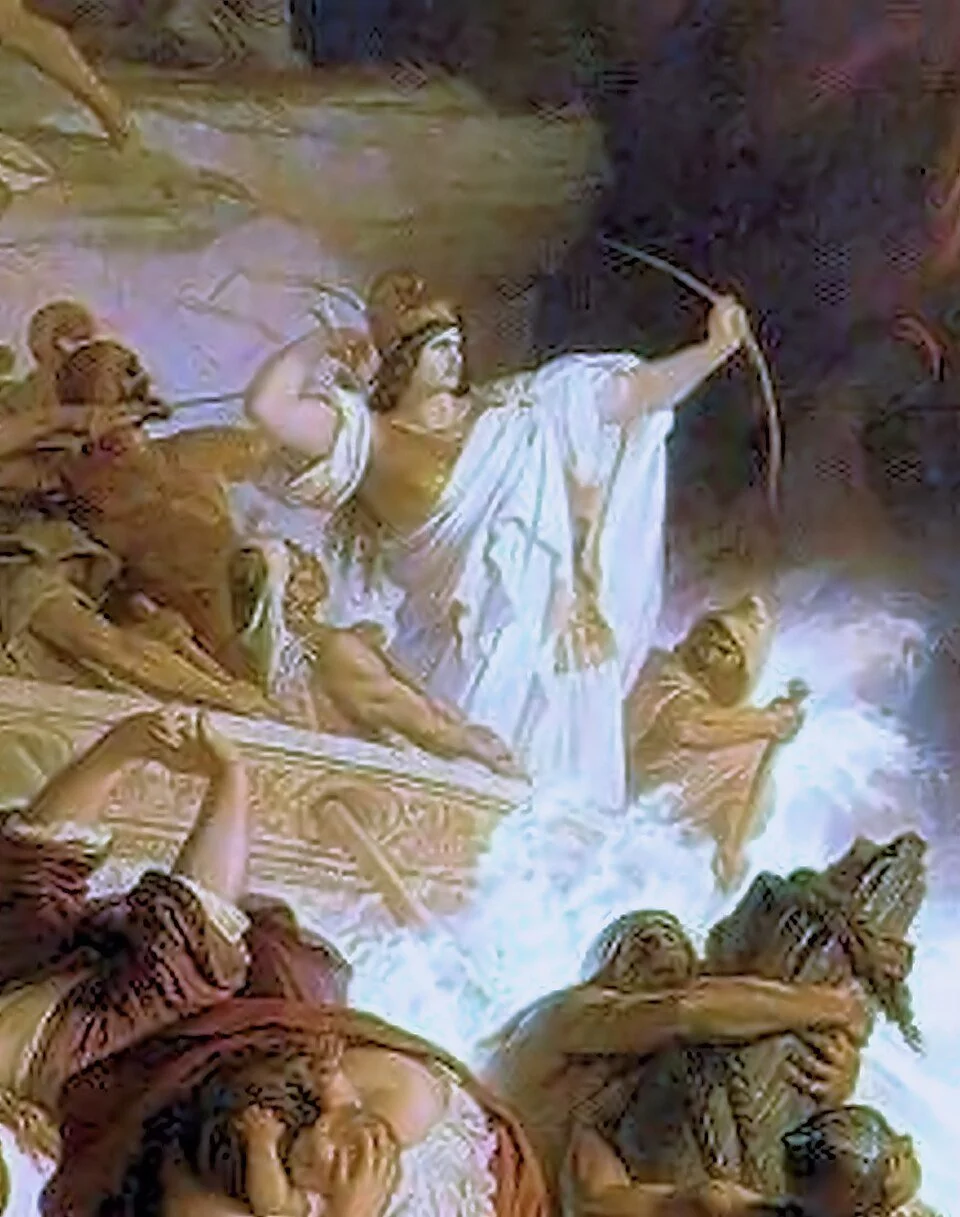
Artemisia I of Caria
Artemisia I ruled Halicarnassus within the Achaemenid Persian Empire and commanded five ships during Xerxes I’s invasion of Greece. Remembered through Herodotus’ account, she became known for her strategic advice before the Battle of Salamis and remains one of the best-documented female naval commanders of the ancient world.
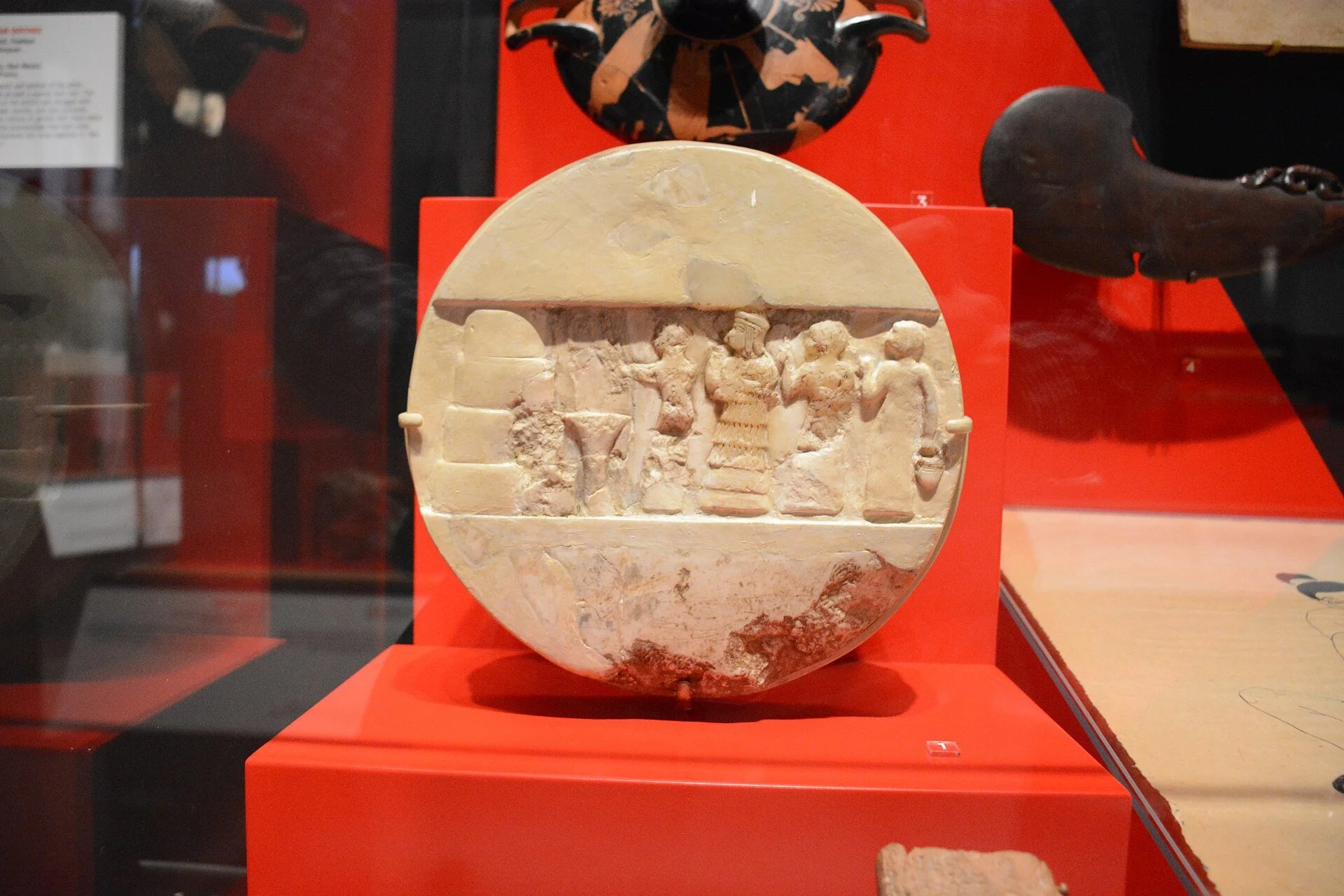
Enheduanna
Enheduanna was a daughter of Sargon of Akkad and high priestess of Nanna at Ur. Remembered through archaeology and a major Sumerian literary tradition, she is one of the earliest historical individuals associated by name with substantial surviving literature.
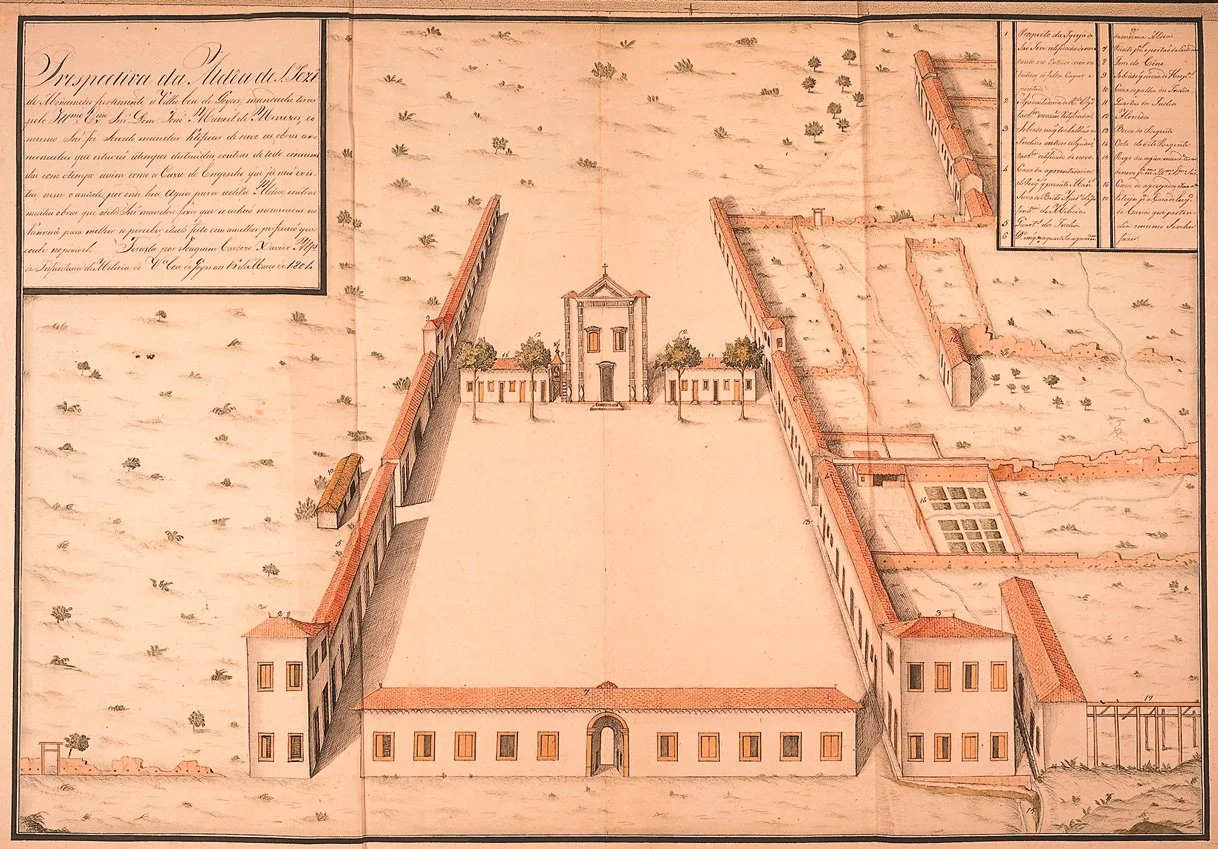
Damiana da Cunha
Damiana da Cunha was a Southern Kayapó leader, diplomat and expedition leader who spent decades negotiating between Indigenous communities and the Portuguese colonial authorities. Her life reveals both the possibilities and limits of mediation on Brazil's expanding colonial frontier.
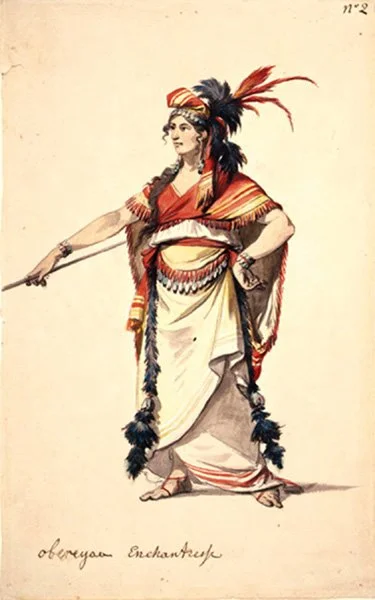
Purea
Europe remembered her as Queen Oberea, but Purea was not the monarch of a unified Tahiti. She was a high-ranking Tahitian woman whose lineage, marriage and political influence placed her near the centre of an ambitious dynastic project involving her son Teriʻirere and the great marae of Mahaiatea.
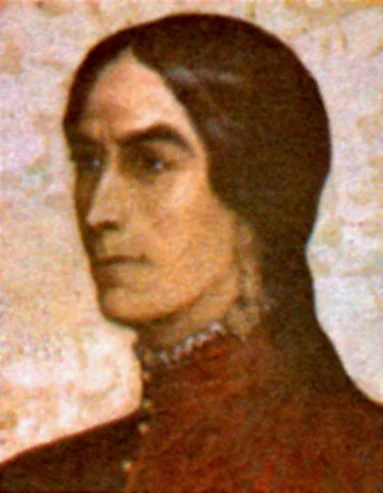
Micaela Bastidas
Micaela Bastidas was one of the principal leaders of the Great Andean Rebellion of 1780–1783. Her surviving letters reveal a strategist and organiser managing supplies, communications, recruitment and military decisions at the heart of the uprising.
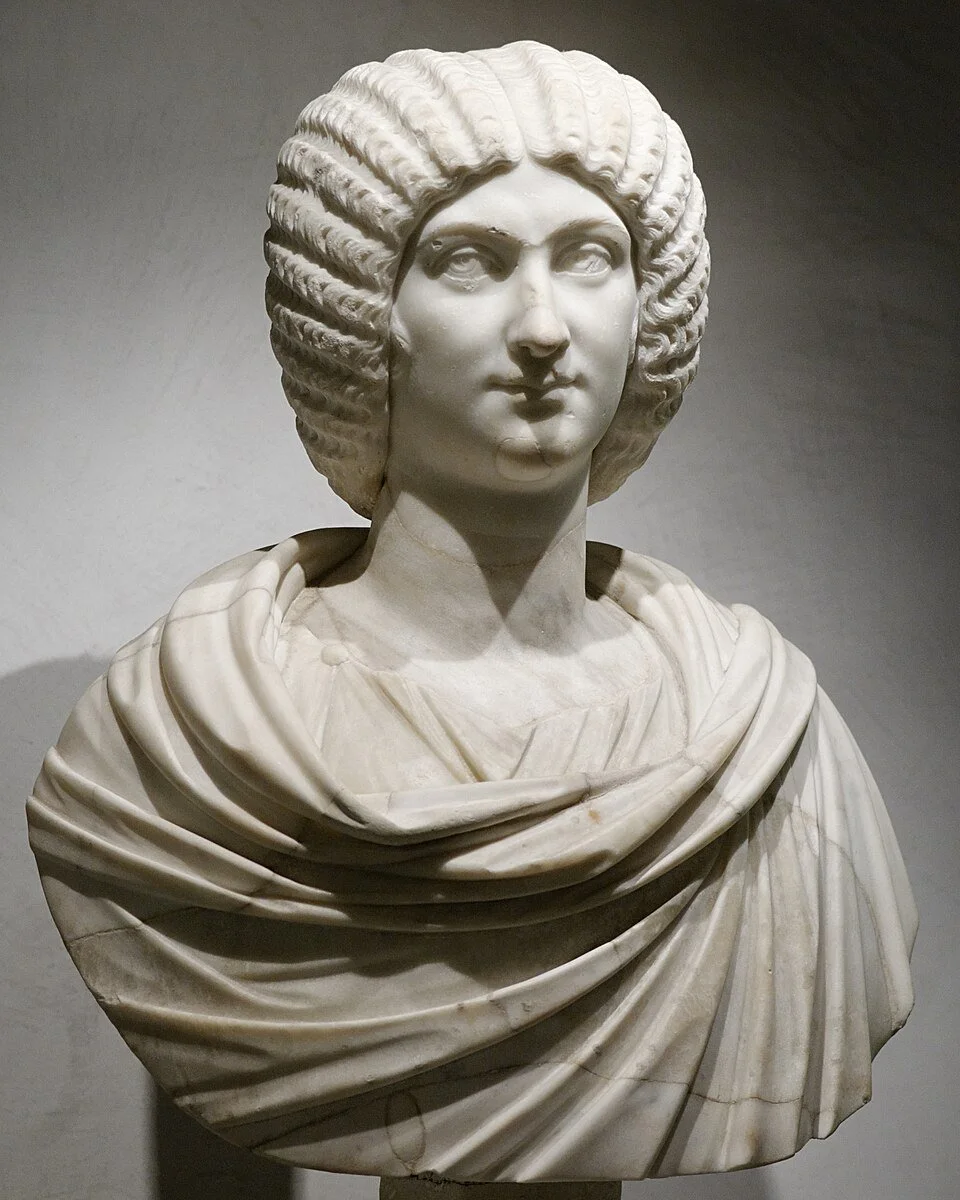
Julia Domna
Julia Domna rose from a prominent family in Roman Syria to become one of the most influential women of the Severan dynasty. Empress, intellectual patron and imperial administrator, her life reveals how authority could operate at the centre of Rome without formal imperial office.
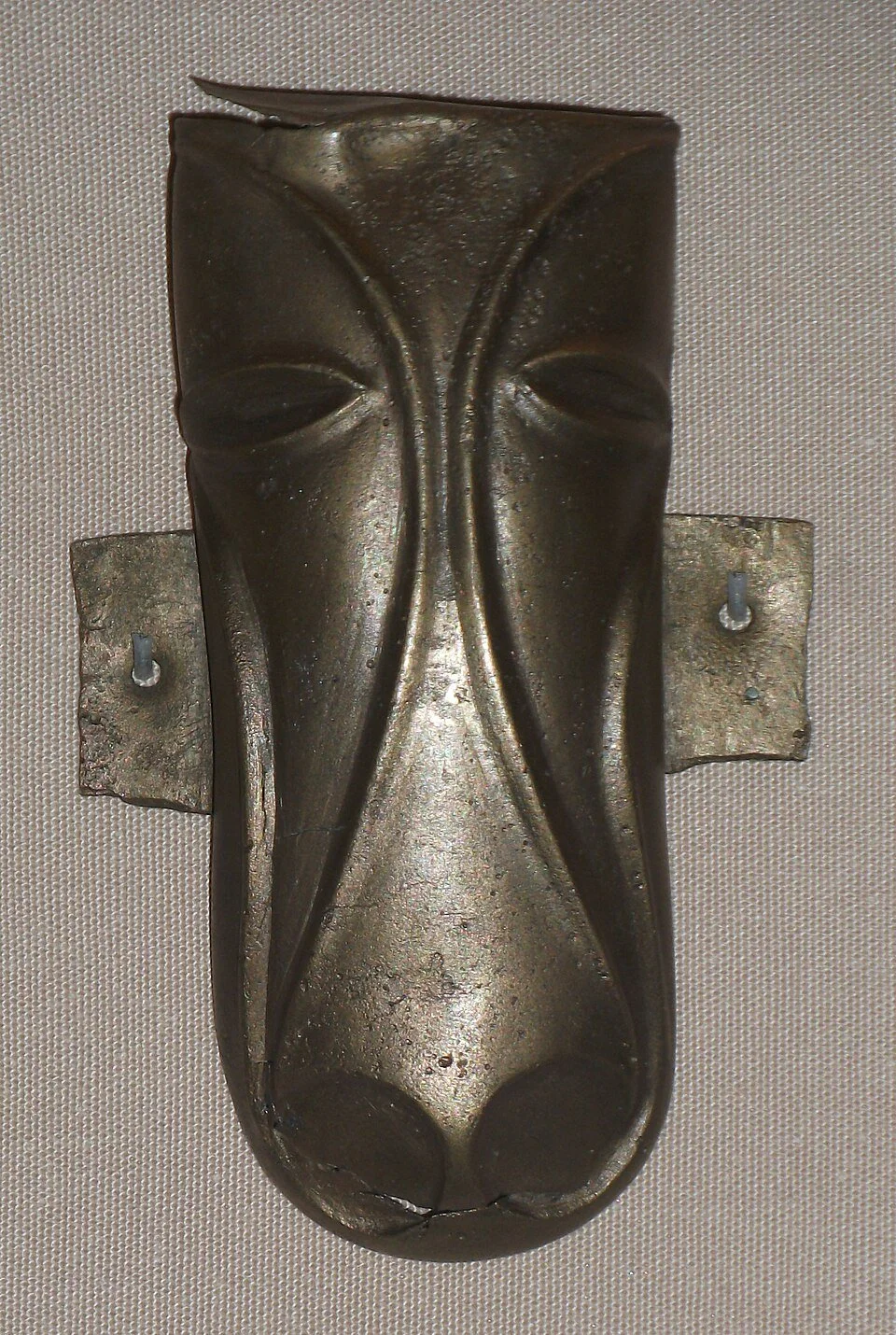
Cartimandua
Cartimandua ruled the powerful Brigantes during Rome’s conquest of Britain. Remembered as a traitor for surrendering Caratacus, her story reveals a far more complicated world of diplomacy, survival and female power.
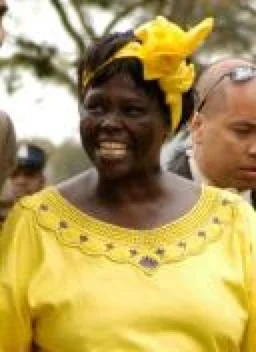
Wangari Maathai
Wangari Maathai was a Kenyan scientist, environmentalist and democratic activist who founded the Green Belt Movement. By linking tree planting with women’s empowerment, human rights and political accountability, she helped transform environmental conservation into a movement for community power and peace.
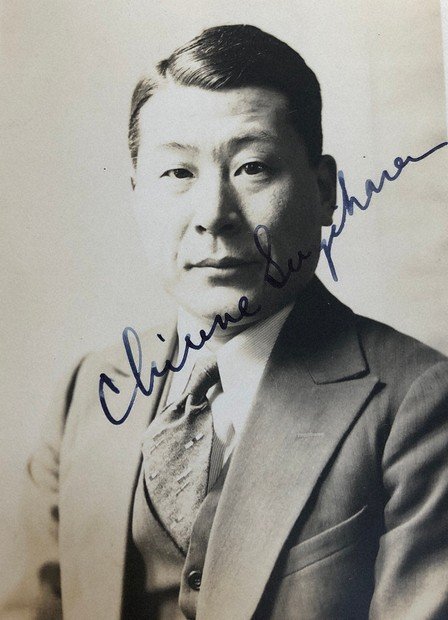
Chiune Sugihara
Chiune Sugihara was a Japanese diplomat who defied official restrictions in Lithuania in 1940 and issued more than two thousand recorded transit visas to Jewish refugees. His decision helped thousands begin an escape across the Soviet Union and through Japan during the Holocaust.
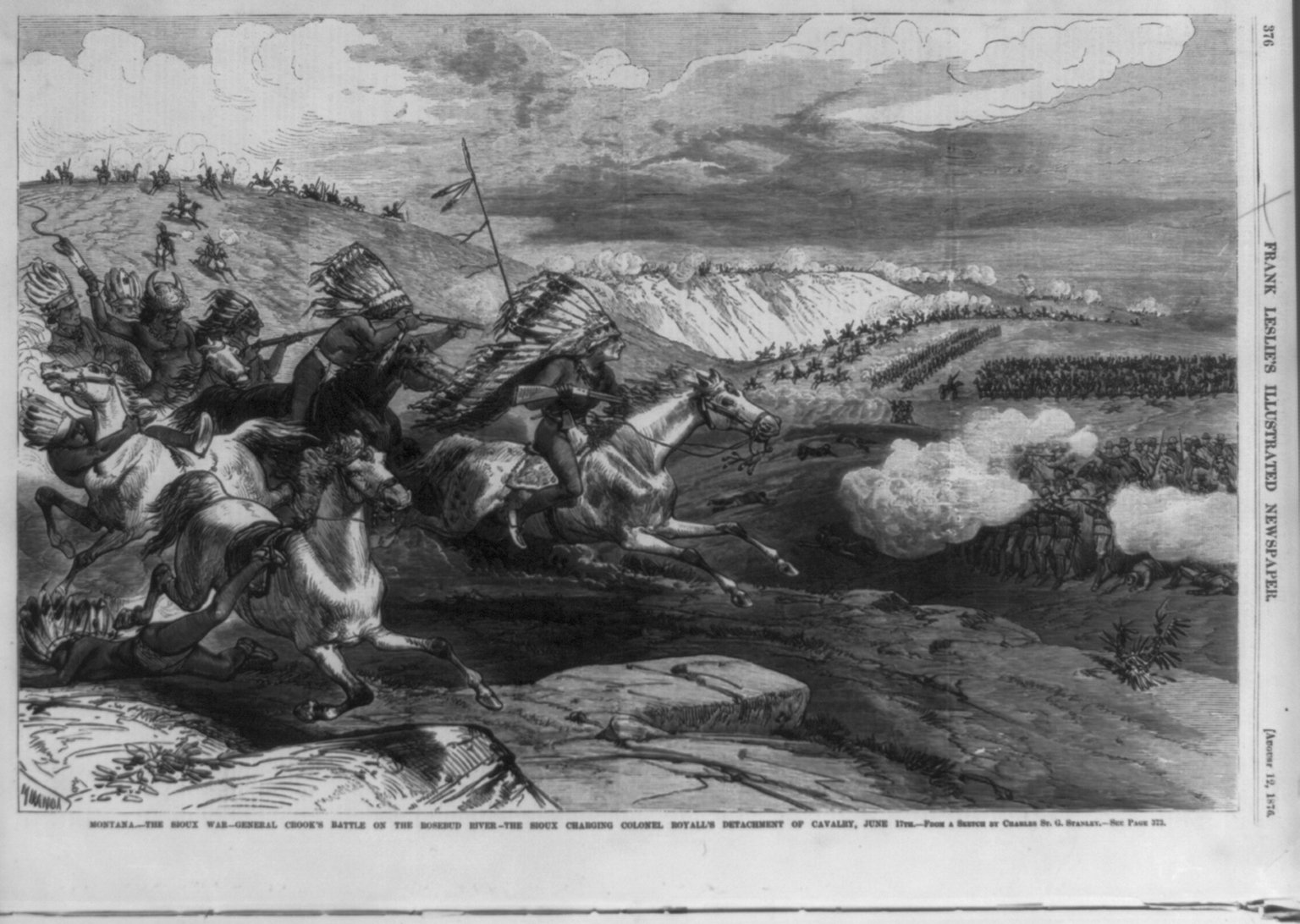
Joseph Marshall III
Joseph M. Marshall III was a Sicangu Lakota historian, author, educator and storyteller who preserved Lakota history through oral tradition, scholarship and cultural memory. His work on Crazy Horse, Little Bighorn and tribal education helped restore Indigenous voices to narratives too often told from outside the communities that lived them.
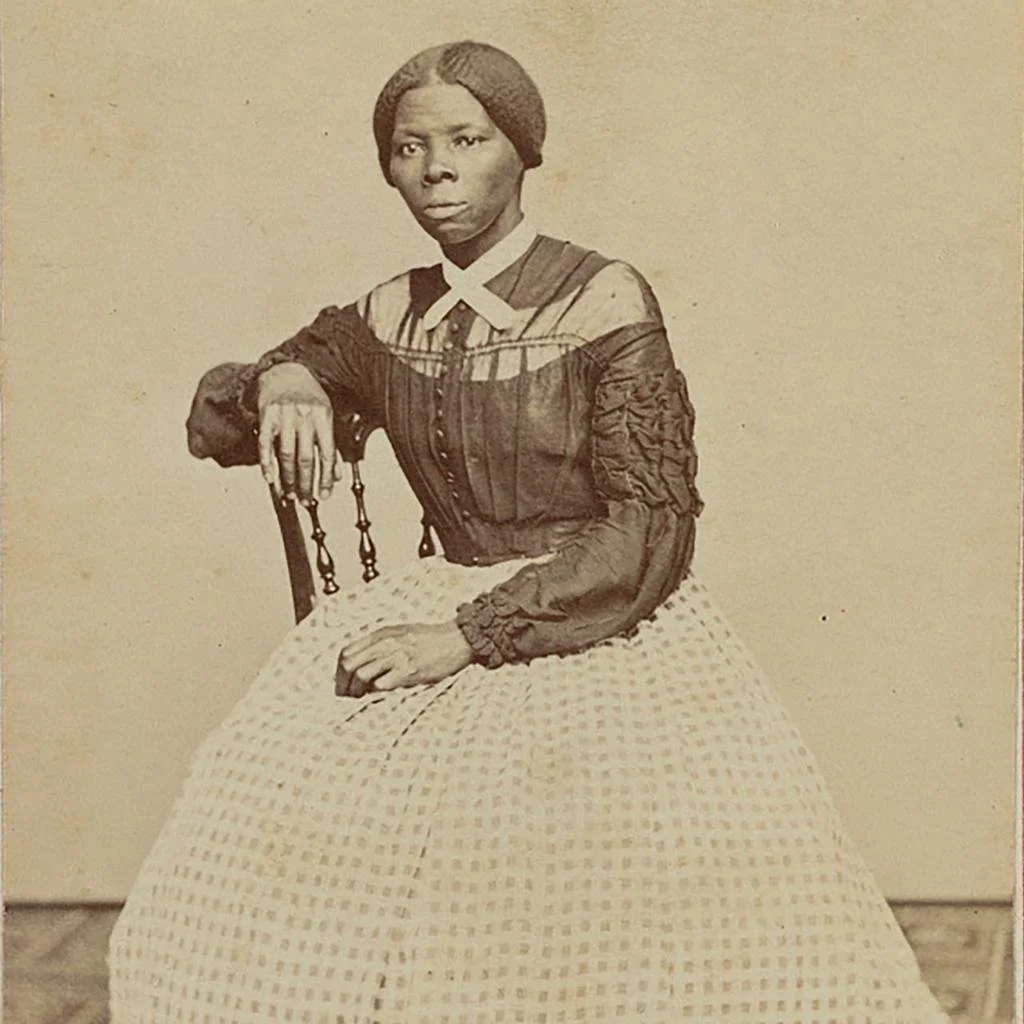
Harriet Tubman
Born into slavery, Harriet Tubman escaped to freedom before risking her life to guide others along the Underground Railroad. Soldier, scout, intelligence operative and humanitarian, she became one of the most remarkable figures in American history.
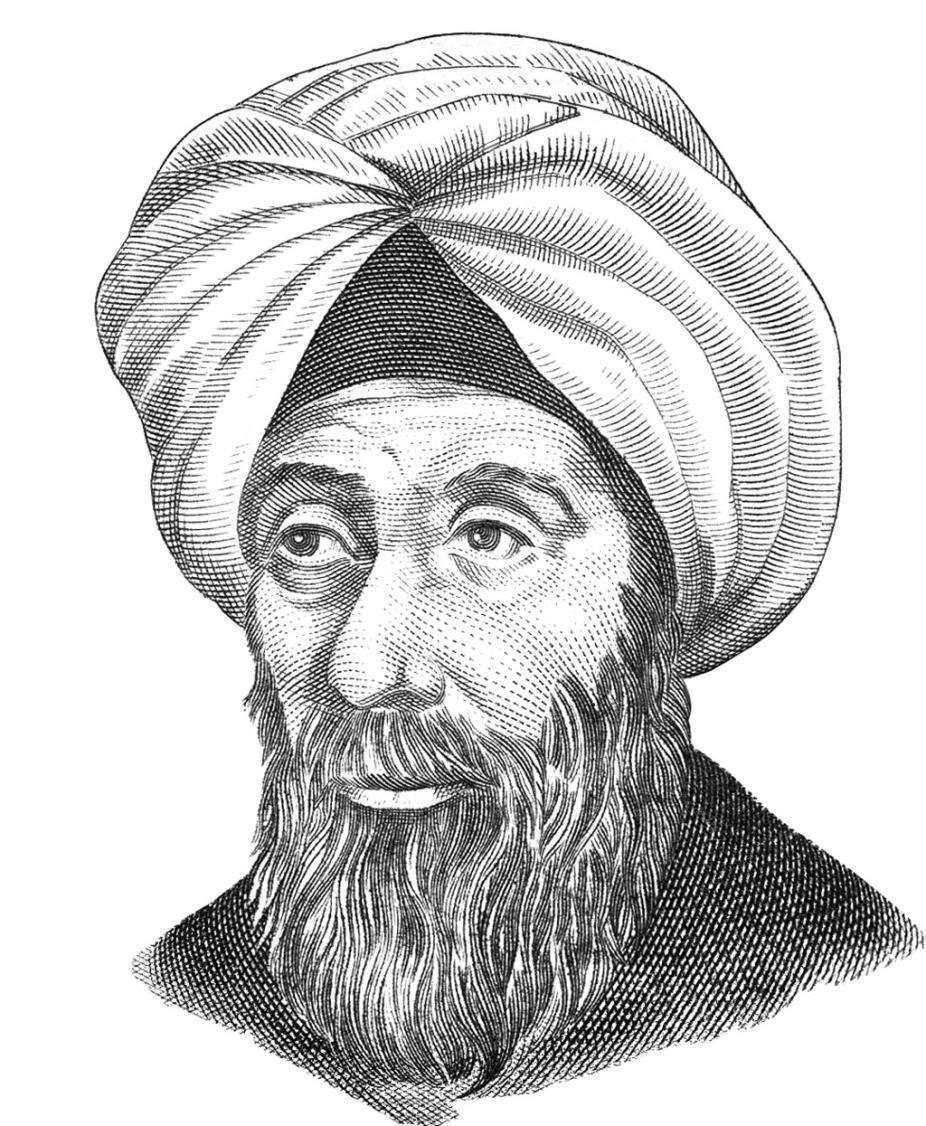
Ibn al-Haytham
Ibn al-Haytham transformed the study of light, vision and evidence. His Book of Optics helped lay foundations for experimental science, showing that knowledge grows strongest when curiosity is tested against observation.
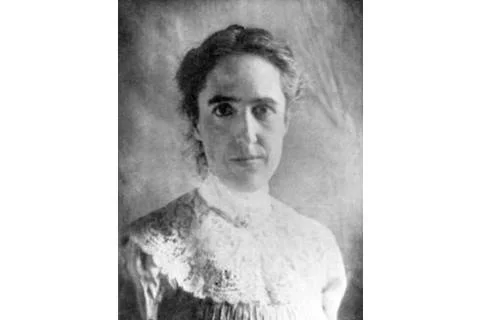
Henrietta Swan Leavitt
Henrietta Swan Leavitt transformed astronomy by discovering the relationship that allowed humanity to measure the universe. Her meticulous work on variable stars became the foundation of modern cosmology and changed our understanding of the cosmos forever.
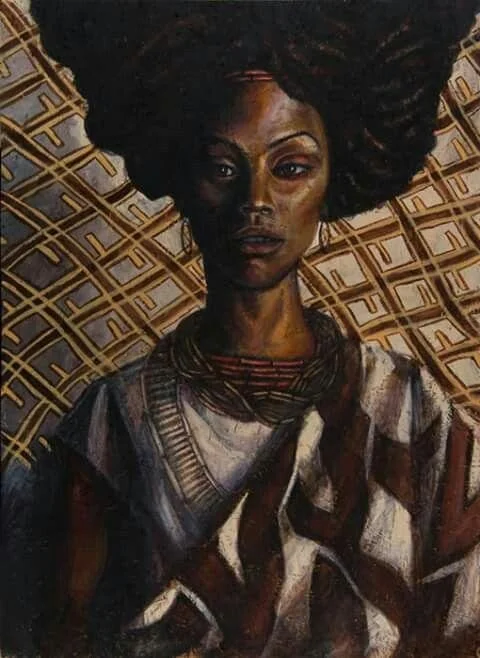
Queen Nzinga
Queen Nzinga Mbande was one of Africa's greatest rulers, leading the kingdoms of Ndongo and Matamba through diplomacy, warfare and political strategy during the seventeenth century while resisting Portuguese expansion.